Sebi Proposes Rupee Fees for FPIs; Domestic Funds Support Markets Amid Crypto and GIFT City Developments
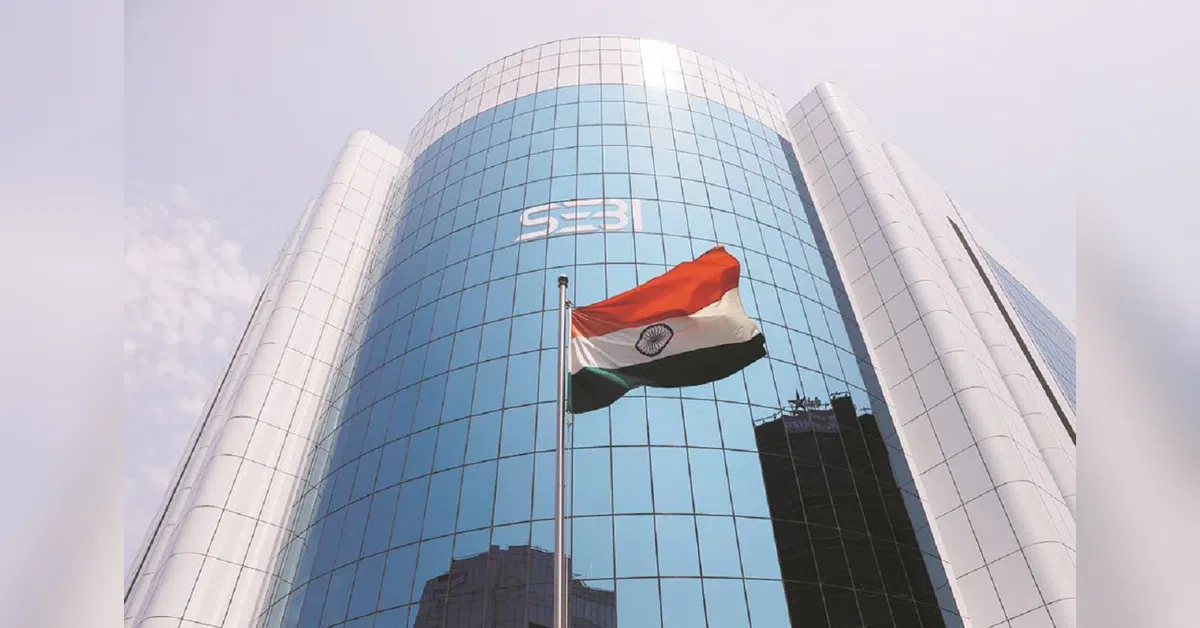
The Securities and Exchange Board of India (Sebi) is considering requiring foreign portfolio and venture capital investors to pay fees in Indian rupees instead of US dollars to address operational challenges. Meanwhile, domestic mutual fund inflows have bolstered Indian markets amid global volatility and foreign outflows. Separately, the Reserve Bank of India maintains its stance against legalizing cryptocurrencies despite government taxation and monitoring. Additionally, major Indian brokerages have received approval to offer international investing through GIFT City, raising regulatory and investor protection considerations.
First-hand measurement across 4 sources
We measured how 4 outlets covered this story. Coverage leans balanced overall (Left 8%, Centre 88%, Right 4%). Overall sentiment is neutral (61/100). Lens Score 32/100 — low public interest.
Outlets analysed (first-hand measurement by TBN's Bias Engine):
- businessstandard— balanced framing, neutral sentiment
- businessstandard— balanced framing, positive sentiment
- ndtv— balanced framing, neutral sentiment
- businessstandard— balanced framing, neutral sentiment
AI Analysis
The article group presents a range of perspectives from regulatory bodies like Sebi and RBI, industry representatives, and legal experts. Coverage includes government policy initiatives, regulatory challenges, and market dynamics without favoring any political ideology. The sources frame the developments in financial regulation and market trends with a focus on institutional viewpoints and policy implications.
The overall tone across the articles is neutral to cautiously optimistic, highlighting regulatory efforts to improve market operations and investor access while acknowledging challenges such as operational inefficiencies, market volatility, and regulatory gaps. There is no overtly positive or negative sentiment; instead, the coverage balances progress with ongoing concerns about investor protection and regulatory clarity.