Ashok Gulati Highlights Challenges in India's Fertiliser Subsidy and Ethanol Policies
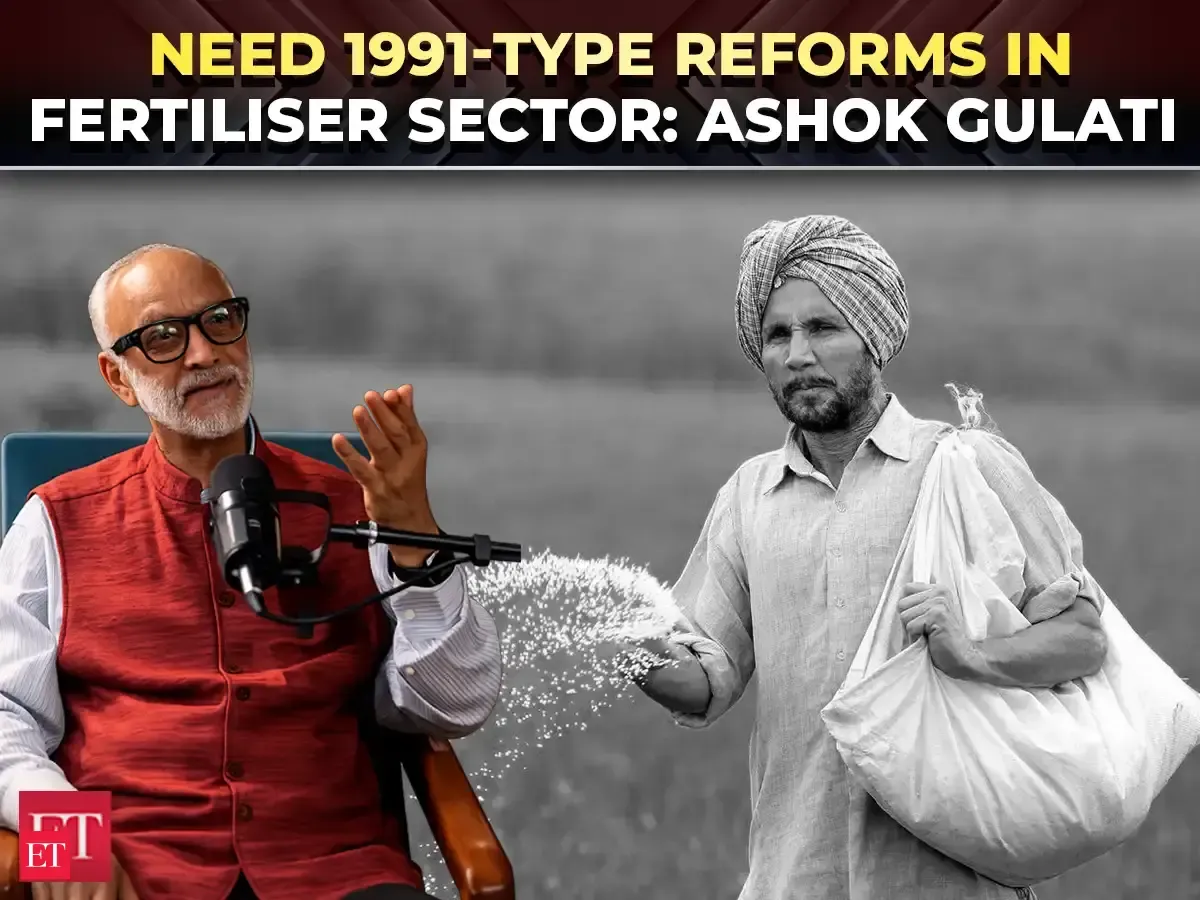
Ashok Gulati critiques India's fertiliser subsidy system as fiscally unsustainable, import-dependent, and environmentally harmful. He recommends decontrolling fertiliser prices, replacing subsidies with direct per-acre income support, and promoting crops like pulses and oilseeds over water-intensive paddy. Gulati also questions the use of rice for ethanol production, favoring maize instead. He warns that without structural reforms, the subsidy bill could nearly double, exacerbating fiscal pressures amid economic challenges.
First-hand measurement across 2 sources
We measured how 2 outlets covered this story. Coverage leans balanced overall (Left 20%, Centre 70%, Right 10%). Overall sentiment is neutral (40/100). Lens Score 22/100 — low public interest.
Outlets analysed (first-hand measurement by TBN's Bias Engine):
- economictimes— balanced framing, neutral sentiment
- economictimes— balanced framing, neutral sentiment
AI Analysis
The articles primarily present Ashok Gulati's expert analysis without partisan framing. They focus on economic and environmental critiques of current policies, advocating market-based reforms and structural changes. The coverage reflects a technocratic perspective emphasizing fiscal sustainability and efficiency, without explicit political alignment or opposition viewpoints.
The tone across the articles is analytical and cautionary, highlighting concerns about fiscal and environmental impacts. While critical of existing policies, the sentiment remains constructive, focusing on proposed reforms and solutions rather than assigning blame or expressing negativity.
How 2 sources covered this story
Each source's own headline, political lean, and sentiment — so you can see framing differences at a glance.