India Advances Economic Growth with Manufacturing, Solar Policy, and Power Sector Reforms
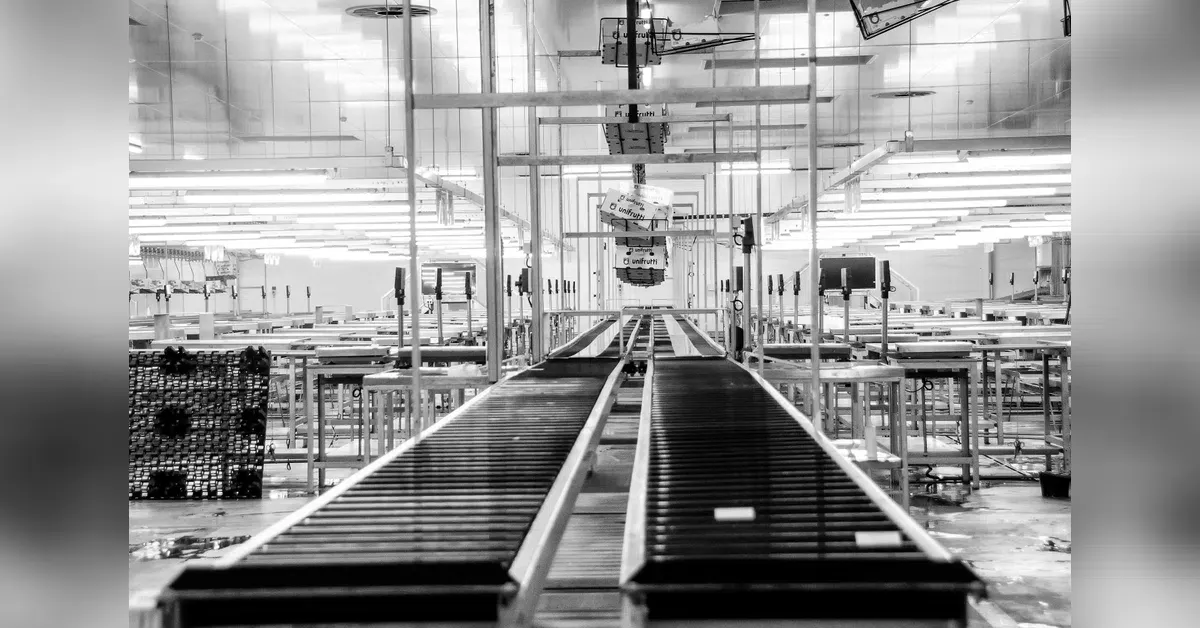
India is advancing its economic transformation through targeted reforms in manufacturing, technology, and power sectors. States are competing to attract manufacturing investments with tailored policies beyond subsidies. The government aims to reduce dependence on China in solar manufacturing by extending domestic sourcing requirements to wafers and ingots by 2028. Meanwhile, the power sector has shifted from scarcity to surplus, focusing on improving distribution and consumer choice to support growth and innovation.
First-hand measurement across 4 sources
We measured how 4 outlets covered this story. Coverage leans balanced overall (Left 10%, Centre 70%, Right 20%). Overall sentiment is positive (74/100). Lens Score 30/100 — low public interest.
Outlets analysed (first-hand measurement by TBN's Bias Engine):
- businessstandard— balanced framing, positive sentiment
- ndtv— balanced framing, positive sentiment
- thefinancialexpress— balanced framing, positive sentiment
- freepressjournal— right-leaning framing, positive sentiment
AI Analysis
The articles collectively present a government-centric perspective highlighting policy initiatives and reforms aimed at economic development. They emphasize state and central government roles without overt criticism or opposition viewpoints. Coverage focuses on progress and strategic goals, reflecting a generally positive framing of government actions across sectors without partisan framing.
The overall tone across the articles is positive, emphasizing achievements and forward-looking reforms. While challenges like dependence on China in solar manufacturing are noted, the narrative centers on solutions and progress. The sentiment conveys optimism about India’s economic transformation, technological growth, and power sector improvements, with limited critical or negative language.
How 4 sources covered this story
Each source's own headline, political lean, and sentiment — so you can see framing differences at a glance.