India Advances Textile Exports and Sustainability Amid India-EU Trade Agreement
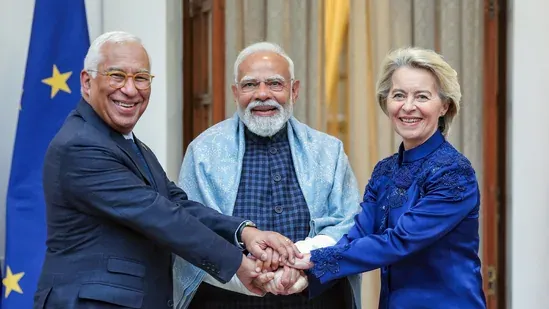
The recently concluded India-EU Free Trade Agreement (FTA) is expected to significantly boost Indian textile exports to the EU, reaching up to $30-40 billion, according to Commerce Minister Piyush Goyal. This expansion comes with increased demands for sustainability, product safety, and material innovation aligned with Europe's evolving regulations like the Ecodesign for Sustainable Products Regulation. Concurrently, India's textile industry is showcasing its commitment to sustainable and circular manufacturing through initiatives like the Eco-Stitch Sustainability Circularity Hub at Bharat Tex 2026, highlighting advancements in recycling, traceability, and eco-friendly production to meet global sourcing priorities.
First-hand measurement across 2 sources
We measured how 2 outlets covered this story. Coverage leans balanced overall (Left 0%, Centre 100%, Right 0%). Overall sentiment is positive (75/100). Lens Score 35/100 — moderate-to-low public interest.
Outlets analysed (first-hand measurement by TBN's Bias Engine):
- thetribune— balanced framing, positive sentiment
- hindustantimes— balanced framing, positive sentiment
AI Analysis
The articles present perspectives focused on economic growth and sustainability without partisan framing. Government officials emphasize export potential and regulatory challenges, while industry associations highlight India's proactive steps toward sustainable manufacturing. The coverage reflects a consensus on the importance of aligning with global standards, with no evident political bias or conflicting viewpoints.
The overall tone is positive and forward-looking, emphasizing opportunities from the India-EU FTA and India's initiatives in sustainable textile manufacturing. Both articles highlight progress and strategic positioning, with an optimistic outlook on export growth and environmental responsibility, while acknowledging the challenges posed by evolving regulations.
How 2 sources covered this story
Each source's own headline, political lean, and sentiment — so you can see framing differences at a glance.