Strait of Hormuz Closure Raises LNG Prices Amid Prospects of Future Surplus
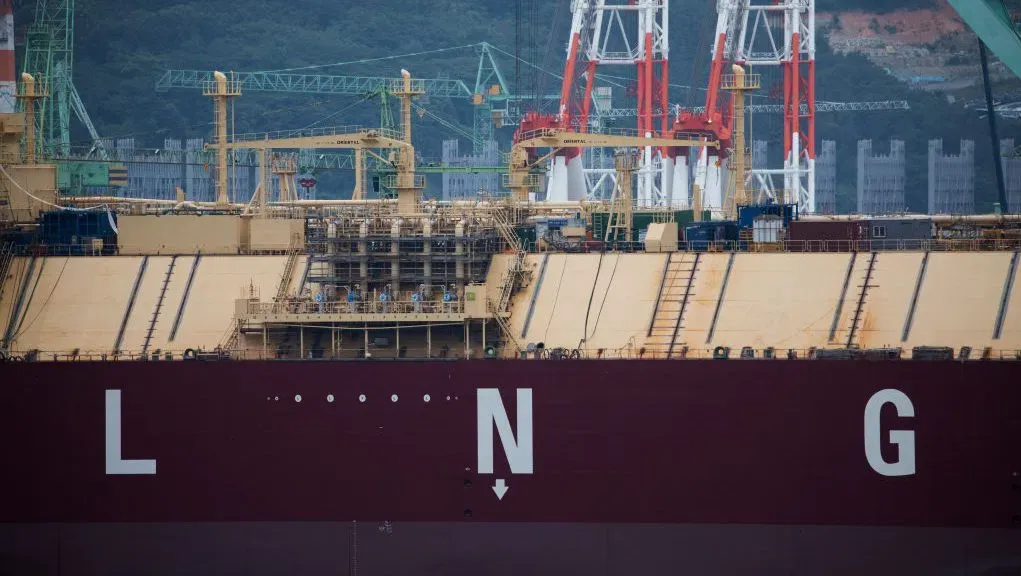
The closure of the Strait of Hormuz and disruptions to Qatar's LNG exports have raised global LNG prices, particularly affecting Asian importers like India, Bangladesh, and Pakistan. Despite current supply constraints, analysts predict a prolonged LNG surplus if peace talks succeed and the strait reopens by July. LNG's liquefied form allows flexible global shipping, and new production projects depend on secured demand, which may stabilize prices at lower levels over time.
First-hand measurement across 2 sources
We measured how 2 outlets covered this story. Coverage leans balanced overall (Left 5%, Centre 93%, Right 2%). Overall sentiment is neutral (55/100). Lens Score 21/100 — low public interest.
Outlets analysed (first-hand measurement by TBN's Bias Engine):
- theprint— balanced framing, neutral sentiment
- economictimes— balanced framing, neutral sentiment
AI Analysis
The articles present a primarily economic and industry-focused perspective without overt political bias. They reference geopolitical events such as the Iran conflict and peace talks neutrally, highlighting their impact on LNG supply and prices. Both sources emphasize market dynamics and regional importers' responses without favoring any political stance or actor.
The overall tone is analytical and neutral, balancing concerns over current supply disruptions and price increases with cautious optimism about a potential future LNG surplus. The coverage neither sensationalizes the crisis nor downplays its effects, maintaining an informative and measured sentiment throughout.
How 2 sources covered this story
Each source's own headline, political lean, and sentiment — so you can see framing differences at a glance.