India Urged to Pursue Policy Reforms Amid Economic Challenges After West Asia Peace Deal
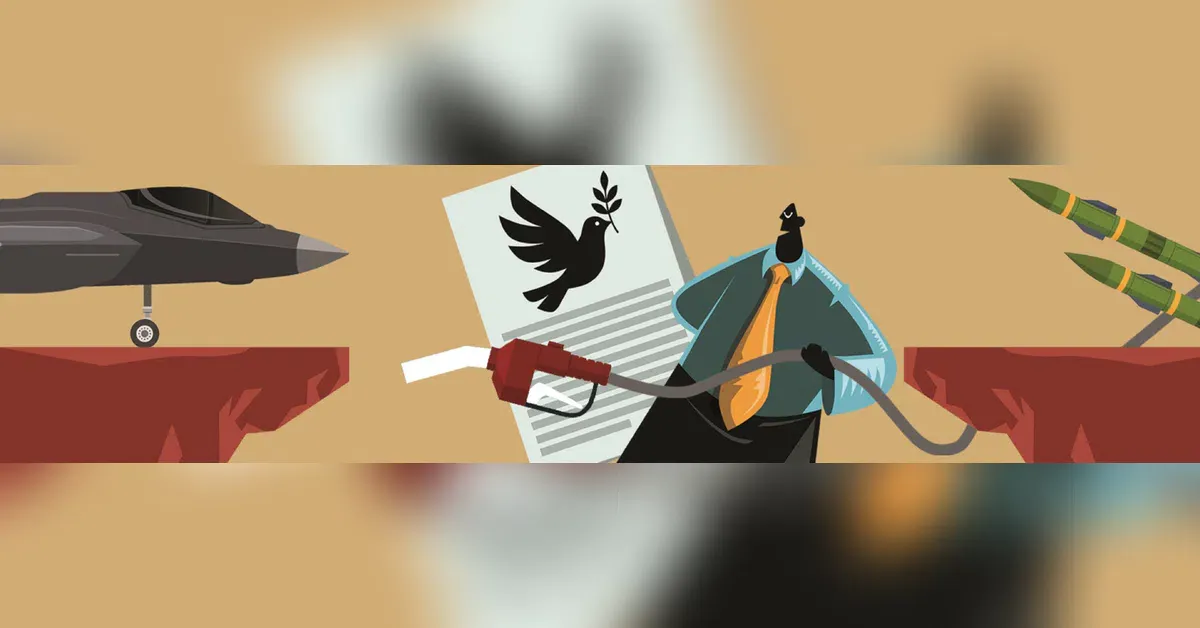
India's policymakers have welcomed the easing of tensions following the US-Israel-Iran peace deal, which alleviated immediate economic concerns such as inflation, growth, and balance of payments pressures. However, challenges remain significant, including fiscal pressures, current account deficits, subdued export growth, and capital outflows. Experts emphasize that this respite should prompt urgent policy reforms to address demand constraints and structural economic issues rather than complacency about resilience.
First-hand measurement across 2 sources
We measured how 2 outlets covered this story. Coverage leans balanced overall (Left 20%, Centre 70%, Right 10%). Overall sentiment is neutral (50/100). Lens Score 24/100 — low public interest.
Outlets analysed (first-hand measurement by TBN's Bias Engine):
- businessstandard— balanced framing, neutral sentiment
- thefinancialexpress— balanced framing, neutral sentiment
AI Analysis
The articles present a centrist economic perspective focusing on government and central bank roles without partisan framing. They highlight policymakers' relief over the peace deal but stress the need for reforms, reflecting a pragmatic approach. Both sources emphasize economic management challenges, fiscal concerns, and structural issues, representing mainstream policy discourse rather than ideological positions.
The overall tone is cautiously optimistic due to the peace deal's easing of immediate economic risks, but it remains measured and concerned about ongoing fiscal and structural challenges. The sentiment balances relief with warnings against complacency, reflecting a mixed but constructive outlook on India's economic prospects.
How 2 sources covered this story
Each source's own headline, political lean, and sentiment — so you can see framing differences at a glance.