Chinese Cities Revitalize State Assets to Offset Property Market Decline
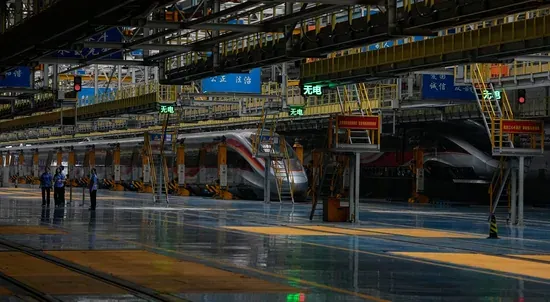
Chinese cities like Yueyang in Hunan province are revitalizing state-owned properties to generate revenue amid a downturn in the property market. With land sales, which once made up about 40% of local government revenues in 2021, now halved in value, officials are renovating unused buildings and public spaces to attract businesses and tourists. This strategy aims to address fiscal shortfalls caused by declining land sale income and budget pressures, including wage cuts in some public sectors.
First-hand measurement across 2 sources
We measured how 2 outlets covered this story. Coverage leans balanced overall (Left 5%, Centre 93%, Right 2%). Overall sentiment is neutral (60/100). Lens Score 28/100 — low public interest.
Outlets analysed (first-hand measurement by TBN's Bias Engine):
- hindustantimes— balanced framing, neutral sentiment
- mint— balanced framing, neutral sentiment
AI Analysis
The articles present a primarily economic and administrative perspective on China's local government fiscal challenges without overt political framing. They highlight government efforts to manage budget shortfalls through asset revitalization, reflecting official initiatives. The coverage includes factual descriptions and quotes from local officials, representing the government's viewpoint while noting the broader economic context without partisan commentary.
The tone across the articles is neutral to cautiously pragmatic, focusing on the challenges faced by Chinese local governments due to the property market downturn. While acknowledging fiscal difficulties and measures like wage cuts, the coverage emphasizes ongoing efforts and projects aimed at economic revitalization, avoiding sensationalism or overly negative language.