Skip to content
Get the Balanced News app for a better experience!
The Balanced News Logo
Analytics
The Balanced News Logo

Stay Balanced, Stay Informed

Menu
  • Browse News
  • Underreported Stories
  • Curated Feeds
  • Insights
  • Analytics
  • Our Writers
  • About Us
  • Download App
Learn
  • How It Works
  • Bias Detection
  • Lens Score
  • Source Bias Checker
  • Accountability
  • Custom Feeds
Newsroom
  • Writers & Analysts
  • About TBN
  • Editorial Standards
  • Corrections Policy
  • Our Partners
  • Insights
Socials
  • Youtube
  • Instagram
  • X
  • Facebook
News Categories
  • Trending
  • Politics
  • Sports
  • Business
  • Tech
  • Entertainment
  • Health
  • Science
  • Crime
  • Lifestyle
  • National
  • International
  • Good News
  • Crypto

Get Our App

Available for iOS and Android


LensFeedsInsightsAnalyticsTrendingGood NewsSportsPoliticsBusinessCrimeTechEntertainmentHealthNationalInternational

© 2026 The Balanced News. All rights reserved.

About UsEditorial StandardsCorrectionsHelp & SupportPrivacy PolicyTerms & Conditions
Heritage Bungalows and Established Neighbourhoods Shape India's Luxury Housing Market
Categories

Categories

Related Coverage

Select a news story to see related coverage from other media outlets.

Related Coverage

Select a news story to see related coverage from other media outlets.

  1. Home
  2. /
  3. Business

Heritage Bungalows and Established Neighbourhoods Shape India's Luxury Housing Market

Analysed 15 Aug 2026·2 sources analysed·Delhi, India·Business
Heritage Bungalows and Established Neighbourhoods Shape India's Luxury Housing MarketPreviousNext

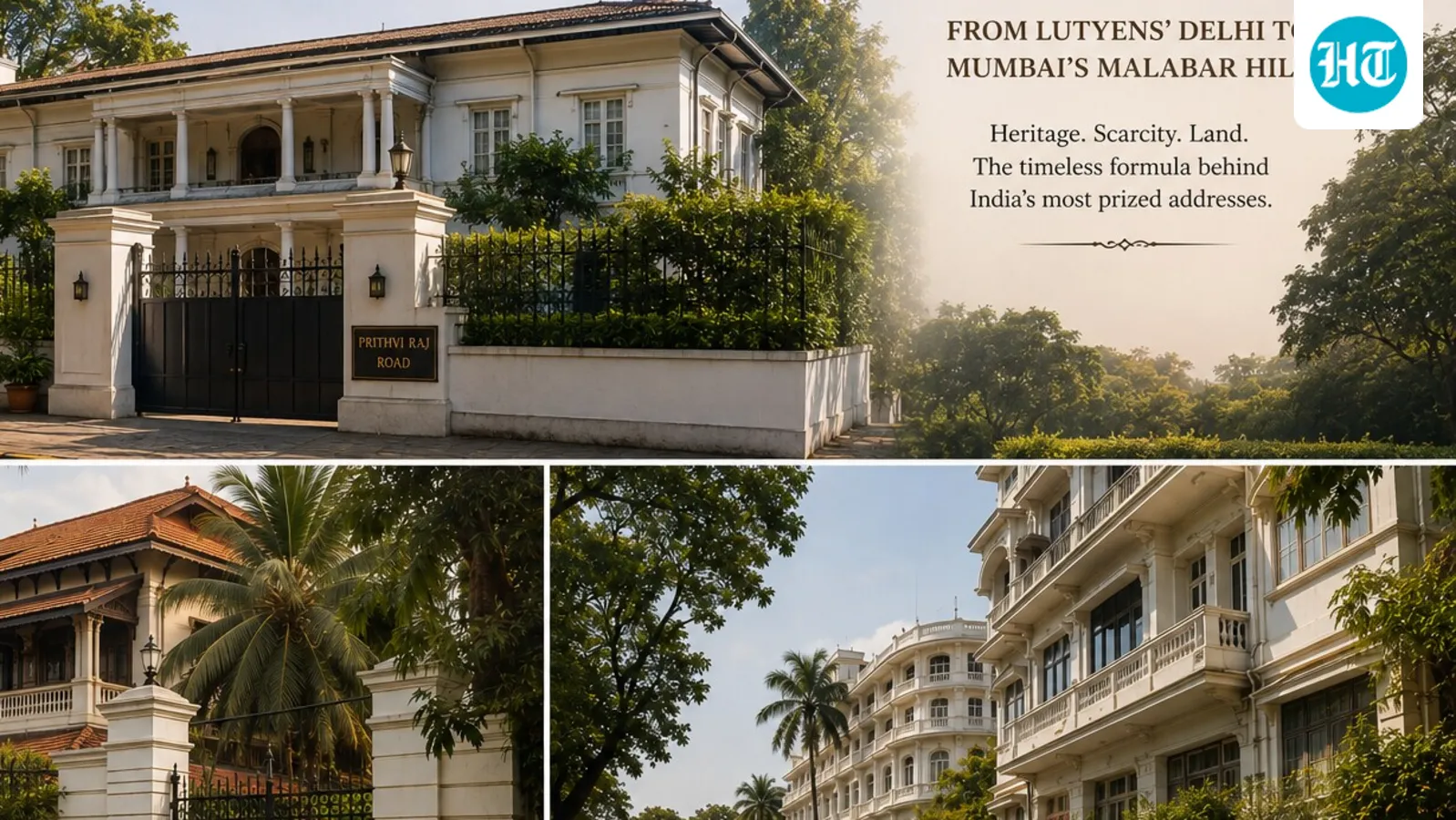
India's ultra-luxury real estate market highlights heritage bungalows in Delhi's Lutyens' Zone and Mumbai's Malabar Hill as prized assets due to their scarcity, architectural character, and prime locations. Meanwhile, Mumbai's established neighbourhoods like Goregaon and Andheri continue to attract homebuyers and investors, favored for their developed infrastructure, livability, and steady price appreciation over emerging areas. Both markets reflect a growing preference for long-term value and irreplaceable addresses in India's housing sector.

Sentiment
63%
TBN's observations

First-hand measurement across 2 sources

We measured how 2 outlets covered this story. No outlet gave this story a measurable political slant — there is no left–right reading to report. Overall sentiment is positive (63/100). Lens Score 31/100.

Outlets measured: hindustantimes, thehindu. See how each one headlined and framed the same story in the source comparison below.

AI analysis of 2 sources · Published under editorial oversight by The Balanced News
Analysed 15 Aug 2026· How this analysis is produced· Editorial standards· Corrections

AI Analysis

Sentiment — Positive (63/100)

Sentiment was consistent across outlets (52–74/100), indicating broadly factual reporting rather than editorialising.

Coverage timeline

thehindu broke this story on 14 Aug, 12:20 pm. Other outlets followed.

14 Aug, 12:20 pm2 sources · 13 h15 Aug, 01:45 am
AI analysis by the TBN Bias Engine · beat methodology byMrunal Wange· Business & Economy Editor· editorial standards byOjas Kale
← Previous
AI Helps Insurance Firms Cut Costs by Automating Repetitive Tasks, Report Says
Next →
Tata Leadership Change, Uniform Civil Code Debate, Inflation, and Punjab Politics Updates
1
thehindu14 Aug, 12:20 pm
Why Mumbai's established neighbourhoods are winning homebuyers
  • 2
    hindustantimes15 Aug, 01:45 am
    Independence Day 2026: From Lutyens' Delhi to Malabar Hill, heritage bungalows that define India's ultra-luxury market
  • Who's involved

    Institutions and figures named across source coverage.

    Government
    Ministry of Housing and Urban AffairsDelhi GovernmentSub-Registrar's OfficeLand Development Office

    Story context

    Category
    Business
    Location
    Delhi, India
    Sources analysed
    2
    Last analysed
    15 Aug 2026
    Key entities
    CroreIndian rupeeIndiaReal estateMumbaiLutyens' DelhiIndependence Day (India)BungalowDelhiMalabar HillEdwin LutyensBritish Raj