Skip to content
Get the Balanced News app for a better experience!
The Balanced News Logo
Analytics
The Balanced News Logo

Stay Balanced, Stay Informed

Menu
  • Browse News
  • Underreported Stories
  • Curated Feeds
  • Insights
  • Analytics
  • Our Writers
  • About Us
  • Download App
Learn
  • How It Works
  • Bias Detection
  • Lens Score
  • Source Bias Checker
  • Accountability
  • Custom Feeds
Newsroom
  • Writers & Analysts
  • About TBN
  • Editorial Standards
  • Corrections Policy
  • Our Partners
  • Insights
Socials
  • Youtube
  • Instagram
  • X
  • Facebook
News Categories
  • Trending
  • Politics
  • Sports
  • Business
  • Tech
  • Entertainment
  • Health
  • Science
  • Crime
  • Lifestyle
  • National
  • International
  • Good News
  • Crypto

Get Our App

Available for iOS and Android


LensFeedsInsightsAnalyticsTrendingGood NewsSportsPoliticsBusinessCrimeTechEntertainmentHealthNationalInternational

© 2026 The Balanced News. All rights reserved.

About UsEditorial StandardsCorrectionsHelp & SupportPrivacy PolicyTerms & Conditions

Categories

Categories

Related Coverage

Select a news story to see related coverage from other media outlets.

Related Coverage

Select a news story to see related coverage from other media outlets.

  1. Home
  2. /
  3. Business

Strait of Hormuz Oil Traffic Declines Amid Iran Conflict, Recovery Uncertain

Reviewed byMrunal Wange· Business & Economy Editor· Edited byOjas Kale
Analysed 4 Jun 2026·3 sources analysed·Iran·Business
Strait of Hormuz Oil Traffic Declines Amid Iran Conflict, Recovery UncertainPrevious
Next

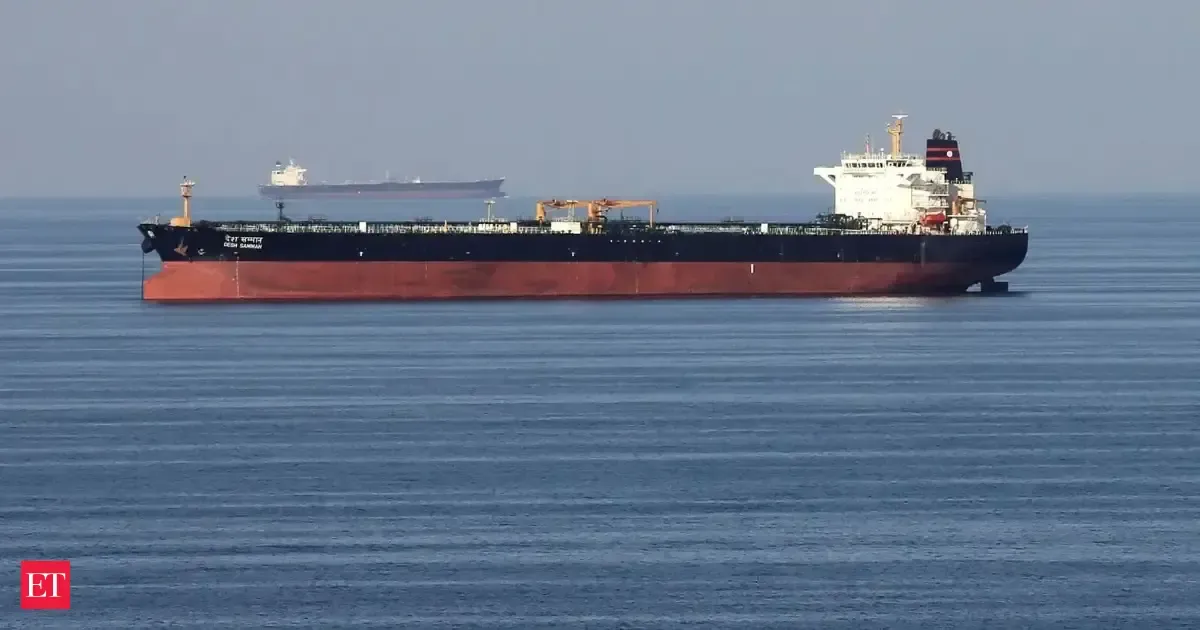
Traffic through the Strait of Hormuz, a critical passage for nearly 20 million barrels of daily oil trade, has dropped by over 90% since the Iran conflict began in February 2024. While official vessel counts show minimal transit, analysis indicates some tankers are using stealth methods to exit the Gulf, partially freeing trapped oil supplies. Alternative pipelines bypassing Hormuz operate near capacity, but the region’s energy flow remains disrupted, with experts projecting limited normalization possibly extending into late 2026.

TBN's observations

First-hand measurement across 3 sources

We measured how 3 outlets covered this story. Coverage leans balanced overall (Left 7%, Centre 91%, Right 2%). Overall sentiment is neutral (40/100). Lens Score 21/100 — low public interest.

Outlets analysed (first-hand measurement by TBN's Bias Engine):

  • economictimes— balanced framing, neutral sentiment
  • theprint— balanced framing, neutral sentiment
  • thefinancialexpress— balanced framing, negative sentiment
Political Bias
7%91%2%
Sentiment
40%
AI analysis of 3 sources · Published under editorial oversight by The Balanced News
Analysed 4 Jun 2026· How this analysis is produced· Editorial standards· Corrections

AI Analysis

Political bias across 3 sources
● Left 7%● Center 91%● Right 2%

The articles collectively present a range of perspectives focusing on the strategic and economic impacts of the Iran conflict on the Strait of Hormuz. They include viewpoints on geopolitical tensions, energy security, and market responses without endorsing any political stance. Coverage balances official data, expert analysis, and regional infrastructure considerations, reflecting a neutral framing of the ongoing disruption and its implications.

Sentiment — Neutral (40/100)

The overall tone across the articles is cautious and analytical, highlighting significant disruptions and uncertainties in oil transit through Hormuz. While some reports note adaptive measures like stealth tanker movements, the sentiment remains largely concerned about prolonged instability and its effects on global energy markets, without overtly positive or negative language.

How 3 sources covered this story

← Previous
TSMC CEO Highlights Ongoing Chip Demand Amid AI Growth; Trade Groups Warn of Supply Strains
Next →
ONGC Chairman Meets Andhra Pradesh CM to Discuss K-G Basin Projects and CSR Initiatives

Each source's own headline, political lean, and sentiment — so you can see framing differences at a glance.

SourceTheir headlineBiasSentiment
economictimesMore oil escapes Hormuz, keeping traders guessingCenterNeutral
theprintWe are living in the new Hormuz World OrderCenterNeutral
thefinancialexpressFrom 135 ships a day to 11: Hormuz crisis may linger into late 2026CenterNegative

Coverage timeline

thefinancialexpress broke this story on 3 Jun, 12:55 pm. Other outlets followed.

  1. 1
    thefinancialexpress3 Jun, 12:55 pm
    From 135 ships a day to 11: Hormuz crisis may linger into late 2026
  2. 2
    theprint4 Jun, 06:23 am
    We are living in the new Hormuz World Order
  3. 3
    economictimes4 Jun, 06:26 am
    More oil escapes Hormuz, keeping traders guessing

Lens Score breakdown

21/100
Public interest0/100
Coverage gap90%

Well-covered story — coverage matches public importance.

Who's involved

Institutions and figures named across source coverage.
Corporate
S P Global Commodity Insights

Story context

Category
Business
Location
Iran
Sources analysed
3
Last analysed
4 Jun 2026
Key entities
Strait of HormuzPetroleumIranTanker (ship)StraitWaterwayAsiaChoke pointInsuranceMiddle EastTehranKuwait
Strait of Hormuz Oil Traffic Declines Amid Iran Conflict, Recovery Uncertain