India's Energy Security Challenges Amid Strait of Hormuz Disruptions and Strategic Reserve Plans
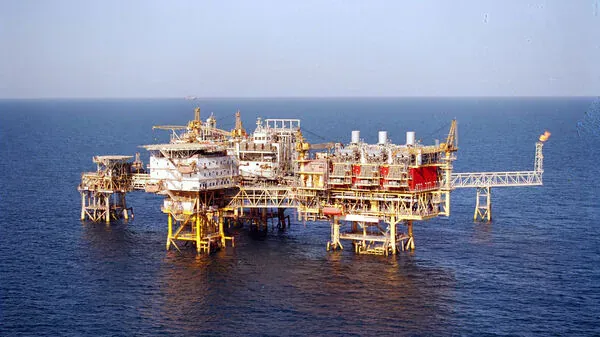
The Strait of Hormuz is a critical maritime chokepoint through which significant volumes of crude oil, petroleum products, and liquefied natural gas pass, heavily impacting global and Indian energy security. Recent disruptions, including Iran's restrictions and geopolitical tensions, have highlighted India's vulnerability due to its dependence on imports via this route. India has made progress in refining and renewables but lacks strategic LPG reserves, prompting government plans to establish emergency stockpiles to mitigate supply shocks and enhance long-term energy resilience.
First-hand measurement across 3 sources
We measured how 3 outlets covered this story. Coverage leans balanced overall (Left 10%, Centre 83%, Right 7%). Overall sentiment is neutral (53/100). Lens Score 28/100 — low public interest.
Outlets analysed (first-hand measurement by TBN's Bias Engine):
- mint— balanced framing, neutral sentiment
- firstpost— balanced framing, neutral sentiment
- indianexpress— balanced framing, neutral sentiment
AI Analysis
The article group presents multiple perspectives, including geopolitical analysis of Iran's actions in the Strait of Hormuz, U.S. diplomatic efforts, and India's domestic energy policy responses. Sources emphasize the strategic importance of the strait and India's import dependence without endorsing specific political actors. The coverage balances international relations with national energy concerns, reflecting a range of viewpoints from policy critique to government initiatives.
The overall tone is cautious and analytical, focusing on the risks and vulnerabilities posed by disruptions in the Strait of Hormuz. While acknowledging India's progress in energy infrastructure, the articles highlight ongoing challenges and the need for strategic measures. The sentiment is neither overtly negative nor optimistic but underscores urgency and the importance of preparedness in energy security.