Global Oil Prices Decline After US-Iran Agreement, Impacting India’s Energy Market
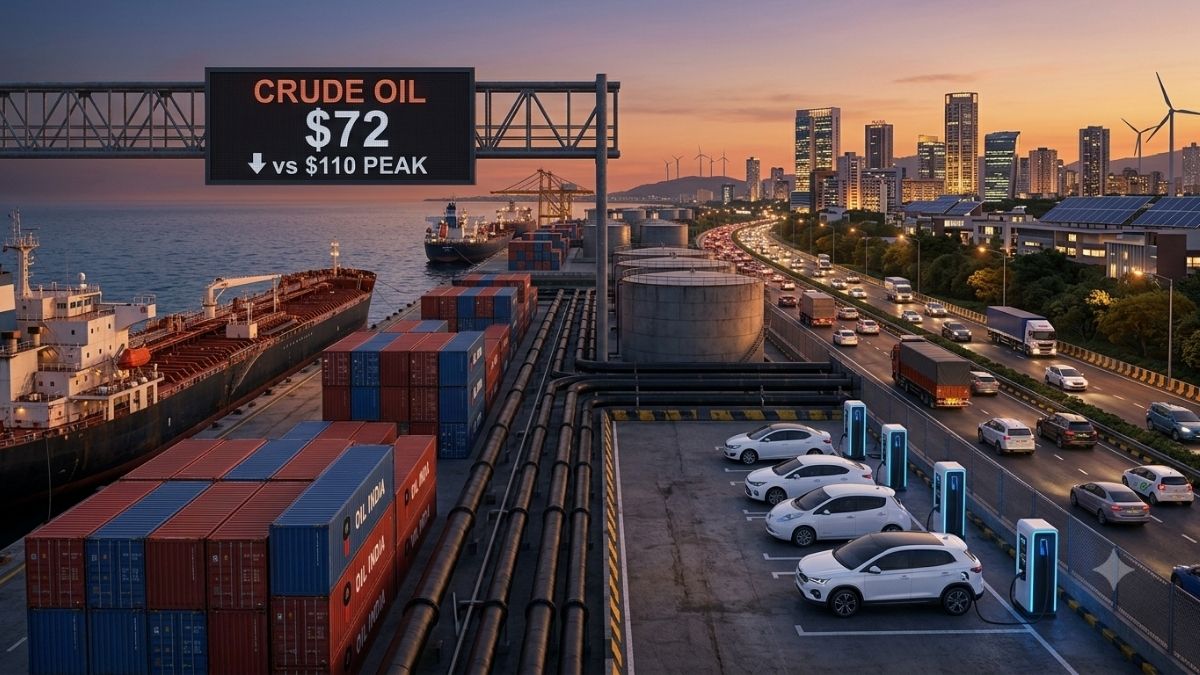
Following the US-Iran agreement, global crude oil prices have fallen from peaks above $110 to around $72 per barrel, easing pressure on oil-importing countries like India. While this decline offers economic relief, retail fuel prices in India have not decreased proportionally due to limited reductions by state-run oil companies and government excise duty adjustments. Additionally, sustained high oil prices have encouraged shifts toward alternatives such as electric vehicles, potentially impacting long-term oil demand.
First-hand measurement across 2 sources
We measured how 2 outlets covered this story. Coverage leans balanced overall (Left 15%, Centre 77%, Right 8%). Overall sentiment is neutral (62/100). Lens Score 23/100 — low public interest.
Outlets analysed (first-hand measurement by TBN's Bias Engine):
- businessstandard— balanced framing, neutral sentiment
- thefinancialexpress— balanced framing, positive sentiment
AI Analysis
The articles present a largely economic and policy-focused perspective without overt political bias. They highlight the US-Iran agreement's effect on oil prices and India's response, including government measures on fuel pricing. Both sources emphasize economic implications and strategic considerations, reflecting viewpoints from industry leaders and government actions without partisan framing.
The overall tone is cautiously optimistic, noting relief from falling oil prices for import-dependent countries like India. However, the coverage also acknowledges ongoing challenges, such as limited retail price reductions and the long-term impact of shifting energy consumption patterns. This balanced sentiment reflects both positive developments and areas of concern.
How 2 sources covered this story
Each source's own headline, political lean, and sentiment — so you can see framing differences at a glance.