India Holds Out for Favorable Terms in Ongoing US Trade Agreement Negotiations
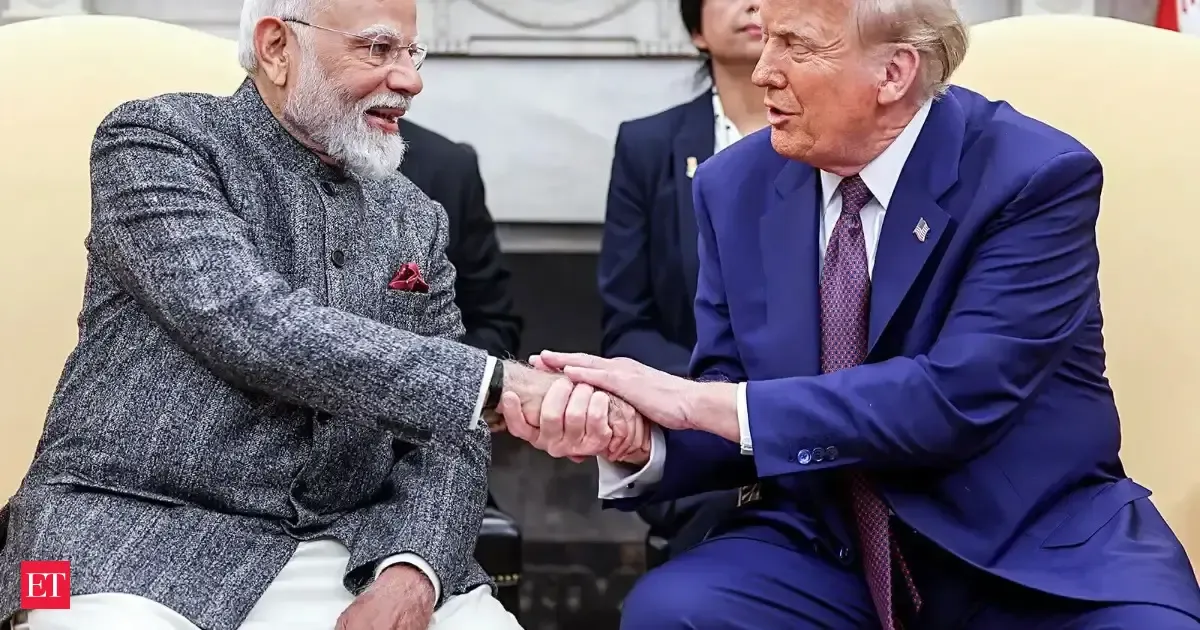
India has declined to rush into an interim trade agreement with the United States, seeking more favorable terms that include tariff advantages over competitors and protections for sensitive sectors like agriculture. Despite months of negotiations and a ready framework deal, key issues remain unresolved, particularly assurances against new U.S. tariffs. Indian officials emphasize a cautious approach backed by stronger exports, diversified trade partnerships, and political confidence, while both sides continue engaged in talks aiming for a balanced agreement.
First-hand measurement across 14 sources
We measured how 14 outlets covered this story. Coverage leans balanced overall (Left 15%, Centre 70%, Right 15%). Overall sentiment is neutral (61/100). Lens Score 33/100 — low public interest.
Outlets analysed (first-hand measurement by TBN's Bias Engine):
- thehindu— balanced framing, neutral sentiment
- businessstandard— balanced framing, positive sentiment
- economictimes— balanced framing, neutral sentiment
- economictimes— balanced framing, neutral sentiment
- mint— balanced framing, neutral sentiment
- thetelegraph— balanced framing, neutral sentiment
- swarajyamag— right-leaning framing, positive sentiment
- timesnow— balanced framing, neutral sentiment
AI Analysis
The article group presents perspectives primarily from Indian government officials and analysts emphasizing India's strategic and cautious stance in trade talks. U.S. positions are noted mainly through references to tariff proposals and negotiation efforts. Some sources include official denials of stalled talks, reflecting a balanced representation of both countries' views without favoring either side politically.
The overall tone across the articles is measured and neutral, focusing on factual reporting of negotiation progress and challenges. While some reports highlight India's firm stance and confidence, others include official reassurances of ongoing constructive dialogue, resulting in a mixed but predominantly balanced sentiment without overtly positive or negative bias.
How 14 sources covered this story
Each source's own headline, political lean, and sentiment — so you can see framing differences at a glance.