India's Food Processing Sector Projected to Reach USD 600 Billion by 2030
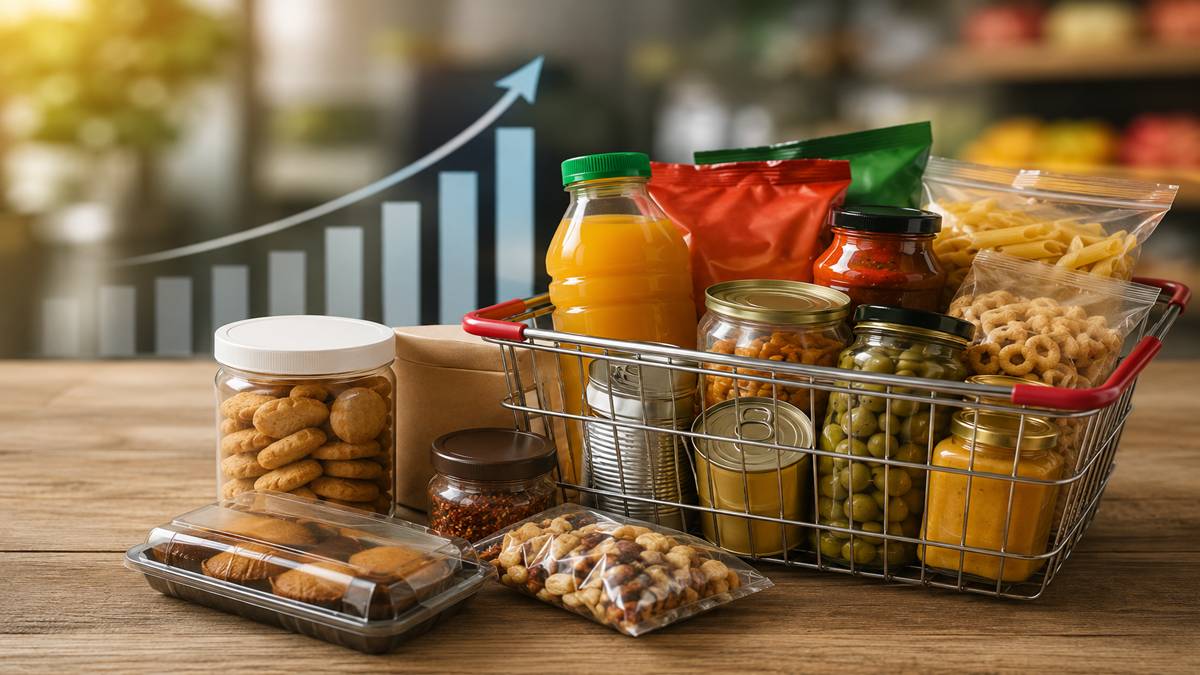
India's food processing sector is poised for significant growth, with projections estimating the market could reach around USD 600 billion by 2030. This expansion is driven by rising consumer demand for healthier, premium products, urbanisation, and digital commerce growth. Currently, only about 12-17% of India's food output is processed, with government targets aiming to increase this to 25% by 2031 through policy measures and incentives. The sector is shifting from volume-driven to value-led growth, supported by innovation, technology adoption, and expanding distribution channels.
First-hand measurement across 4 sources
We measured how 4 outlets covered this story. Coverage leans balanced overall (Left 5%, Centre 91%, Right 4%). Overall sentiment is positive (75/100). Lens Score 32/100 — low public interest.
Outlets analysed (first-hand measurement by TBN's Bias Engine):
- economictimes— balanced framing, positive sentiment
- economictimes— balanced framing, positive sentiment
- thetribune— balanced framing, positive sentiment
- thefinancialexpress— balanced framing, positive sentiment
AI Analysis
The articles collectively present a largely economic and developmental perspective, focusing on industry growth, government targets, and market trends without partisan framing. They include official government statements and industry reports, reflecting a consensus on the sector's potential and policy initiatives. There is no evident political bias, as coverage centers on factual projections and policy goals rather than political debate.
The overall tone across the articles is positive and optimistic, emphasizing growth opportunities, innovation, and government support in the food processing sector. While acknowledging current processing levels as relatively low, the coverage highlights progress and future potential, fostering a constructive outlook without undue hype or criticism.
How 4 sources covered this story
Each source's own headline, political lean, and sentiment — so you can see framing differences at a glance.