Report: Nearly 45% of Pakistan's Population Lives in Poverty Amid Governance Crisis
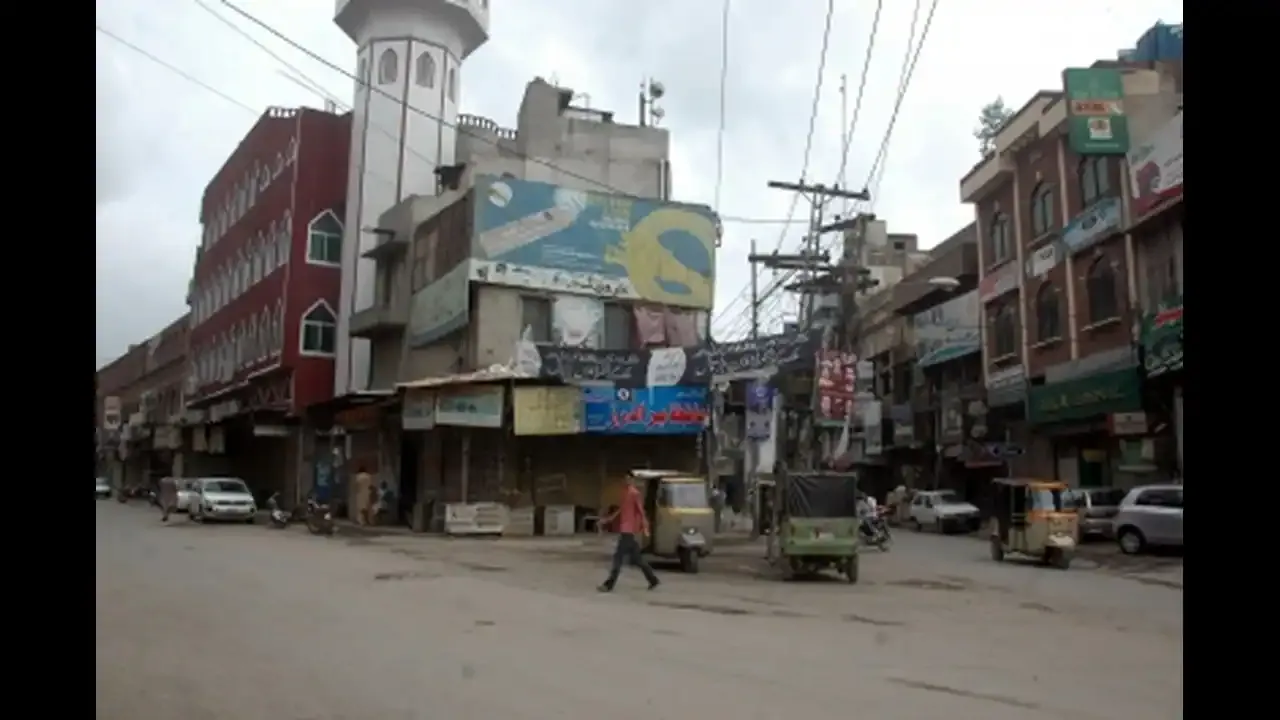
A report in The Dawn highlights that nearly 45% of Pakistan's population lives in poverty amid a governance and institutional crisis undermining economic potential. The crisis is attributed to leadership deficits and weakening institutions rather than solely IMF programmes or policy failures. Key issues include a decline in private sector credit-to-GDP ratio from 27% in 2008 to 8.7% in 2025, reduced SME lending, lower exports, political interference weakening civil services, and over two million pending judicial cases with significant vacancies.
First-hand measurement across 2 sources
We measured how 2 outlets covered this story. Coverage leans balanced overall (Left 10%, Centre 85%, Right 5%). Overall sentiment is negative (30/100). Lens Score 28/100 — low public interest.
Outlets analysed (first-hand measurement by TBN's Bias Engine):
- zeenews— balanced framing, negative sentiment
- thestatesman— balanced framing, negative sentiment
AI Analysis
The articles primarily present a critical view of Pakistan's governance and institutional challenges, emphasizing leadership deficits and systemic weaknesses. Both sources rely on The Dawn's report, reflecting concerns about political interference and administrative inefficiency without partisan framing. The coverage includes government shortcomings and economic indicators, representing a perspective focused on structural issues rather than political party positions.
The overall tone across the articles is critical and concerned, highlighting economic decline and institutional weaknesses. The sentiment is largely negative due to the focus on poverty rates, reduced financial support, and judicial backlog. However, the reporting remains factual and avoids emotive language, maintaining a professional and analytical tone.