West Asia Conflict and Rising Costs Impact Indian Aviation's International Traffic
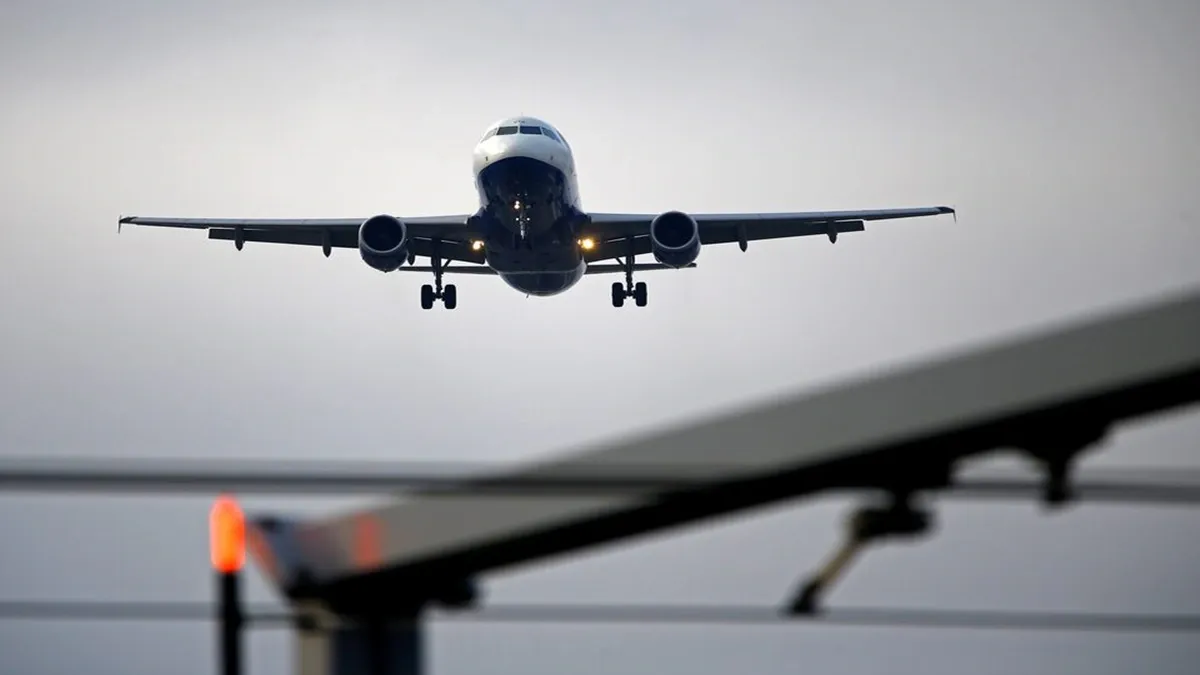
Indian aviation faced a sharp 39% year-on-year decline in international passenger traffic in April 2026, largely due to ongoing geopolitical tensions in West Asia, according to reports by Equirus Securities. International flight departures and capacity also fell significantly, while domestic travel showed relative resilience with modest declines or growth in some regions like Pune, where international traffic dropped 65% but domestic travel increased 18%. Elevated fuel costs and currency depreciation further challenged the sector's recovery.
First-hand measurement across 3 sources
We measured how 3 outlets covered this story. Coverage leans balanced overall (Left 0%, Centre 100%, Right 0%). Overall sentiment is neutral (40/100). Lens Score 33/100 — low public interest.
Outlets analysed (first-hand measurement by TBN's Bias Engine):
- thefinancialexpress— balanced framing, neutral sentiment
- freepressjournal— balanced framing, neutral sentiment
- zeenews— balanced framing, negative sentiment
AI Analysis
The articles present a largely economic and operational perspective on the aviation sector without overt political framing. They focus on the impact of geopolitical tensions in West Asia on Indian airlines, incorporating industry reports and official airport data. The coverage includes government and industry viewpoints on challenges like fuel prices and currency depreciation, without partisan commentary or political blame.
The overall tone across the articles is cautious and factual, highlighting significant declines in international travel and operational disruptions. While domestic travel shows some positive trends, the sentiment remains mixed due to ongoing challenges such as high fuel costs and reduced international connectivity. The coverage balances reporting on difficulties with noting areas of resilience, avoiding sensationalism.