2 hours agoBusiness
38LENS
2 SourcesQatar
 thebalanced.news
West Asia Conflict Disrupts Helium Supply, Impacting Global Industries
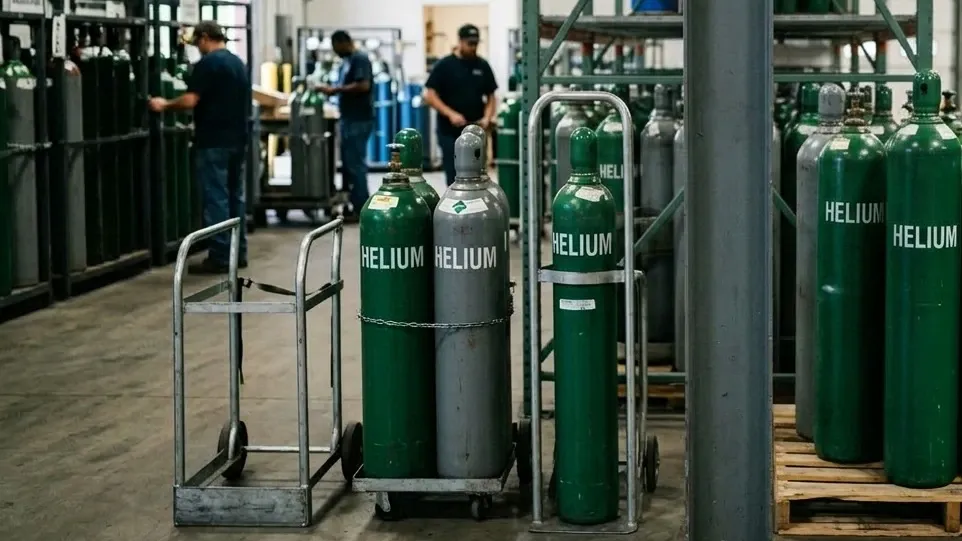
The ongoing conflict in West Asia has disrupted natural gas processing in Qatar, a major helium producer supplying about 30-38% of the global market. This has caused helium prices to double recently, with further increases possible. Helium is vital for healthcare, semiconductor manufacturing, and advanced technologies. While Malaysian semiconductor firms are monitoring supply risks, they have not yet faced operational disruptions, relying on inventory and diversified sourcing to mitigate impacts amid rising global helium supply concerns.
Political Bias
0%100%0%
Sentiment
42%
20 stories available
View AI Analysis
Bias Analysis: The articles present a largely neutral perspective focused on the economic and industrial impacts of the West Asia conflict without assigning blame. They reference geopolitical tensions involving the U.S., Israel, and Iran but emphasize supply chain effects rather than political narratives. Industry representatives provide measured assessments, reflecting a business-oriented viewpoint rather than political advocacy.
Sentiment: The overall tone is cautious and concerned, highlighting rising helium prices and potential supply shortages affecting critical sectors. However, the sentiment remains balanced by noting that some industries, such as Malaysian semiconductor firms, have so far avoided operational disruptions through risk management. The coverage combines warnings about challenges with reassurances about current mitigation efforts.
Lens Score: 38/100 — Story is receiving appropriate media attention. Public interest: 0/100. Coverage gap: 100%.
Related Coverage
Select a news story to see related coverage from other media outlets.