2 hours agoBusiness
36LENS
4 SourcesWashington (state), United States
 thebalanced.news
US and Japan Announce $40 Billion Small Modular Nuclear Reactor Project
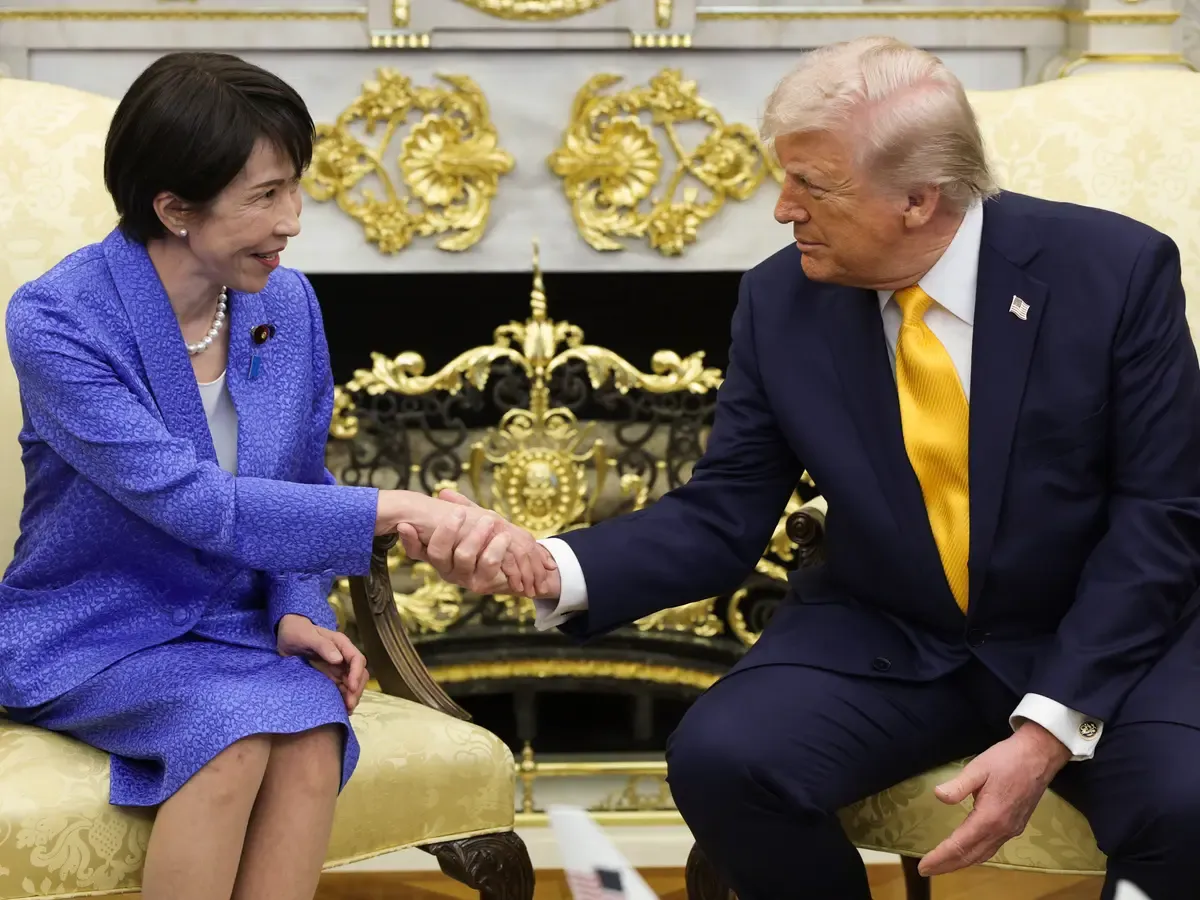
The United States and Japan announced a $40 billion partnership to develop small modular nuclear reactors (SMRs) in Tennessee and Alabama, aiming to provide flexible, scalable, and stable power. This initiative, involving GE Vernova and Hitachi, is part of a broader $550 billion investment fund established under a trade pact. Additionally, $33 billion will be invested in natural gas power facilities in Pennsylvania and Texas. The projects seek to stabilize electricity prices and enhance technological leadership amid global competition, though SMRs still require regulatory approval before deployment.
Political Bias
8%80%12%
Sentiment
72%
21 stories available
View AI Analysis
Bias Analysis: The articles primarily present official statements from US and Japanese leaders and government sources, focusing on economic and technological cooperation. They reflect a pro-investment and development perspective without critical opposition viewpoints. Coverage emphasizes strategic partnership and energy innovation, with limited dissent or alternative perspectives, resulting in a generally neutral to positive framing centered on bilateral collaboration.
Sentiment: The overall tone across the articles is positive, highlighting the potential benefits of the nuclear and natural gas projects for energy stability and technological advancement. While acknowledging regulatory hurdles and the nascent stage of SMR deployment, the coverage maintains an optimistic outlook on the partnership's role in economic growth and global competition, with no significant negative sentiment or controversy presented.
Lens Score: 36/100 — Story is receiving appropriate media attention. Public interest: 0/100. Coverage gap: 100%.
Related Coverage
Select a news story to see related coverage from other media outlets.