3 hours agoBusiness
25LENS
2 SourcesIran
 thebalanced.news
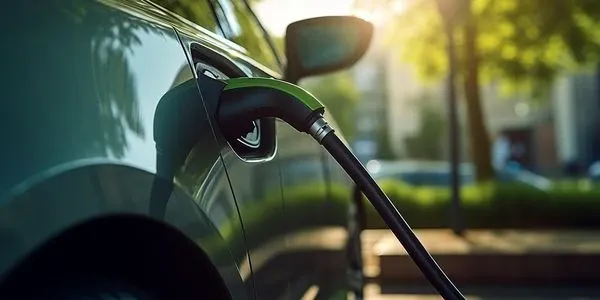
Electric Vehicles Reduced Global Oil Consumption by Up to 2.3 Million Barrels Daily in 2025
In 2025, electric vehicles (EVs) globally avoided consuming between 1.7 and 2.3 million barrels of oil per day, according to analyses by BloombergNEF and Ember. This reduction in oil demand is expected to grow, potentially exceeding 5 million barrels daily by 2030. EV adoption, especially in countries like China and Vietnam, contributes to significant fossil fuel savings and reduces dependence on oil imports, with implications for energy security amid geopolitical risks in regions like the Middle East.
Political Bias
10%85%5%
Sentiment
72%
21 stories available
View AI Analysis
Bias Analysis: The articles present perspectives focused on energy transition and economic impacts without partisan framing. BloombergNEF emphasizes technological and economic factors driving EV adoption, while Ember highlights geopolitical risks related to oil dependence. Both sources underscore the benefits of EVs in reducing fossil fuel use, reflecting a consensus on energy diversification rather than political debate.
Sentiment: Coverage across the articles is generally positive, highlighting the environmental and economic advantages of increased EV adoption. While acknowledging ongoing oil dependence and geopolitical vulnerabilities, the tone remains optimistic about the potential for EVs to mitigate these challenges and contribute to energy security.
Lens Score: 25/100 — Story is well-covered by media outlets. Public interest: 0/100. Coverage gap: 100%.
Related Coverage
Select a news story to see related coverage from other media outlets.