US Supreme Court Strikes Down Trump Tariffs; Refunds Begin Amid Mixed Economic Impact
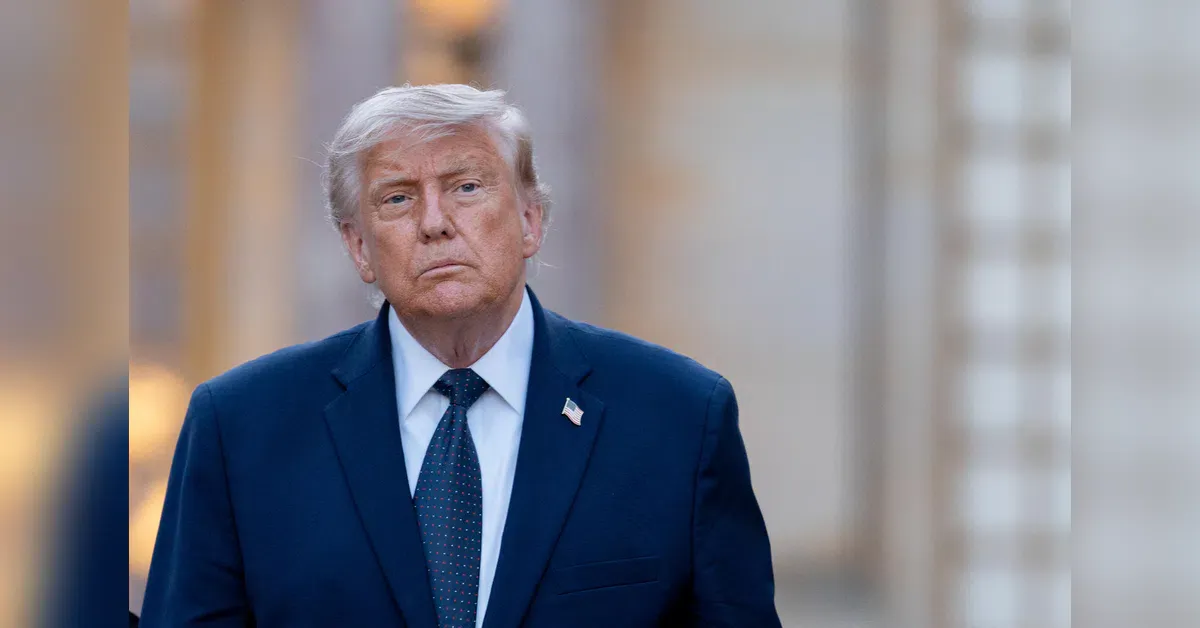
The US Supreme Court struck down tariffs imposed under former President Donald Trump's economic policy, ruling he lacked authority under the International Emergency Economic Powers Act. Following this, the Treasury began refunding approximately $22 billion in May, potentially boosting corporate earnings and shareholder returns. While Trump's tariffs raised inflation concerns, their actual economic impact has been muted so far, with effective levy rates lower than headline figures. Analysts note ongoing trade uncertainties could still affect markets in the long term.
First-hand measurement across 2 sources
We measured how 2 outlets covered this story. Coverage leans balanced overall (Left 10%, Centre 85%, Right 5%). Overall sentiment is neutral (60/100). Lens Score 30/100 — low public interest.
Outlets analysed (first-hand measurement by TBN's Bias Engine):
- economictimes— balanced framing, neutral sentiment
- businessstandard— balanced framing, positive sentiment
AI Analysis
The articles present perspectives focusing on legal, economic, and market implications without partisan framing. They include government actions, judicial rulings, and analyst views, reflecting both the administration's policy effects and market responses. Coverage balances the Trump administration's tariff policies with critiques of their limited economic impact, representing a range of viewpoints from official sources and financial analysts.
The overall tone is neutral to cautiously optimistic, highlighting the positive market effects of tariff refunds while acknowledging the tariffs' inflationary impact and uncertain long-term consequences. The sentiment reflects a balanced view, noting both benefits from refunds and the muted economic damage so far, without strong positive or negative bias.
How 2 sources covered this story
Each source's own headline, political lean, and sentiment — so you can see framing differences at a glance.