Skip to content
Get the Balanced News app for a better experience!
The Balanced News Logo
Analytics
The Balanced News Logo

Stay Balanced, Stay Informed

Menu
  • Browse News
  • Underreported Stories
  • Curated Feeds
  • Insights
  • Analytics
  • Our Writers
  • About Us
  • Download App
Learn
  • How It Works
  • Bias Detection
  • Lens Score
  • Source Bias Checker
  • Accountability
  • Custom Feeds
Newsroom
  • Writers & Analysts
  • About TBN
  • Editorial Standards
  • Corrections Policy
  • Our Partners
  • Insights
Socials
  • Youtube
  • Instagram
  • X
  • Facebook
News Categories
  • Trending
  • Politics
  • Sports
  • Business
  • Tech
  • Entertainment
  • Health
  • Science
  • Crime
  • Lifestyle
  • National
  • International
  • Good News
  • Crypto

Get Our App

Available for iOS and Android


LensFeedsInsightsAnalyticsTrendingGood NewsSportsPoliticsBusinessCrimeTechEntertainmentHealthNationalInternational

© 2026 The Balanced News. All rights reserved.

About UsEditorial StandardsCorrectionsHelp & SupportPrivacy PolicyTerms & Conditions
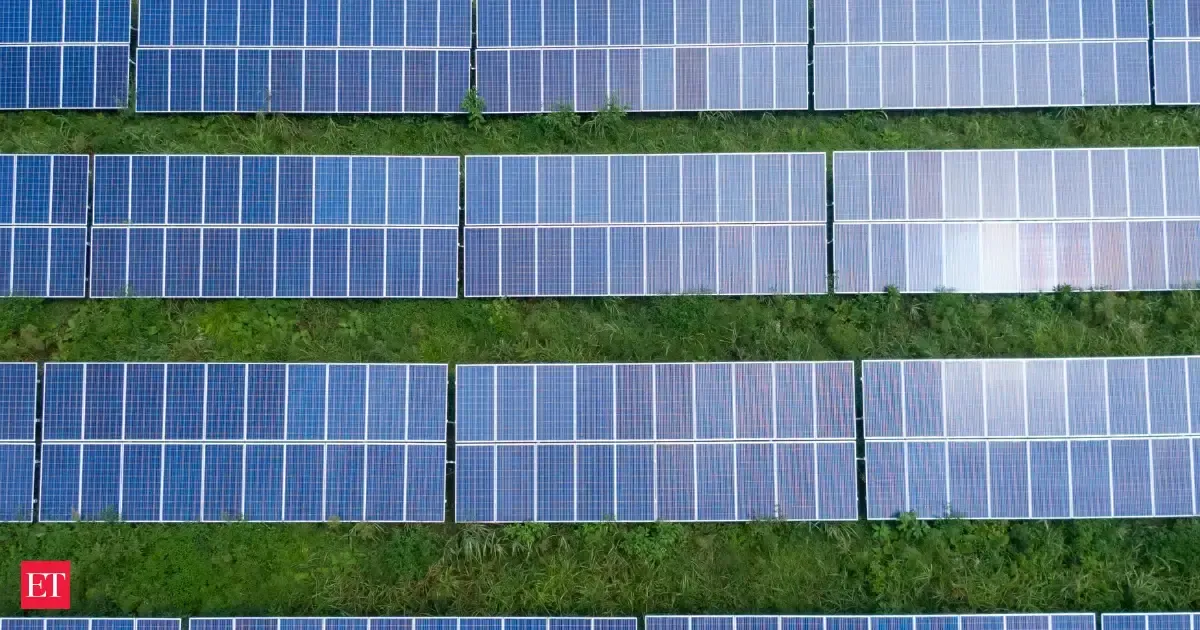
Studies Examine Ecological and Agricultural Effects of Grazing Beneath Solar Panels
Categories

Categories

Related Coverage

Select a news story to see related coverage from other media outlets.

Related Coverage

Select a news story to see related coverage from other media outlets.

  1. Home
  2. /
  3. Business

Studies Examine Ecological and Agricultural Effects of Grazing Beneath Solar Panels

Analysed 18 Aug 2026·2 sources analysed·France·Business
Studies Examine Ecological and Agricultural Effects of Grazing Beneath Solar PanelsPreviousNext

Recent studies highlight contrasting ecological and agricultural impacts of solar farms. Research in southern France found a 76% decline in pollinator numbers and an 86% drop in plant-pollinator interactions beneath solar panels, though management practices like mowing can mitigate harm. Conversely, Australian farmers using sheep grazing under solar panels report benefits including 15% higher wool yields and improved pasture moisture during droughts. These findings suggest that integrating solar energy with thoughtful land use can influence both biodiversity and farming productivity.

Sentiment
66%
TBN's observations

First-hand measurement across 2 sources

We measured how 2 outlets covered this story. No outlet gave this story a measurable political slant — there is no left–right reading to report. Overall sentiment is positive (66/100). Lens Score 40/100.

Outlets measured: economictimes, economictimes. See how each one headlined and framed the same story in the source comparison below.

AI analysis of 2 sources · Published under editorial oversight by The Balanced News
Analysed 18 Aug 2026· How this analysis is produced· Editorial standards· Corrections

AI Analysis

Sentiment — Positive (66/100)

Sentiment was consistent across outlets (57–74/100), indicating broadly factual reporting rather than editorialising.

Coverage timeline

economictimes broke this story on 18 Aug, 07:46 am. Other outlets followed.

18 Aug, 07:46 am2 sources · 5 h18 Aug, 01:11 pm
AI analysis by the TBN Bias Engine · beat methodology byMrunal Wange· Business & Economy Editor· editorial standards byOjas Kale
← Previous
SEBI Proposes Fully Digital Onboarding to Expedite NRI Investment Accounts
Next →
Indian Companies Expand Integrated Renewable Energy Platforms and Services
1
economictimes18 Aug, 07:46 am
An Australian farmer put sheep beneath solar panels; he reported 15 more wool and green grass surviving through drought
  • 2
    economictimes18 Aug, 01:11 pm
    Researchers studied 20 French solar farms; beneath the panels, pollinators fell 76 , and plant-pollinator interactions plunged 86
  • Story context

    Category
    Business
    Location
    France
    Sources analysed
    2
    Last analysed
    18 Aug 2026
    Key entities
    Photovoltaic power stationSolar panelGrazingPollinatorFlowering plantBeeButterflyWildlifeSunlightFrench languageHover flySolar energy