2 hours agoBusiness
36LENS
4 SourcesSri Lanka
 thebalanced.news
Sri Lanka Raises Fuel Prices Amid Middle East Conflict and Advances Energy Project
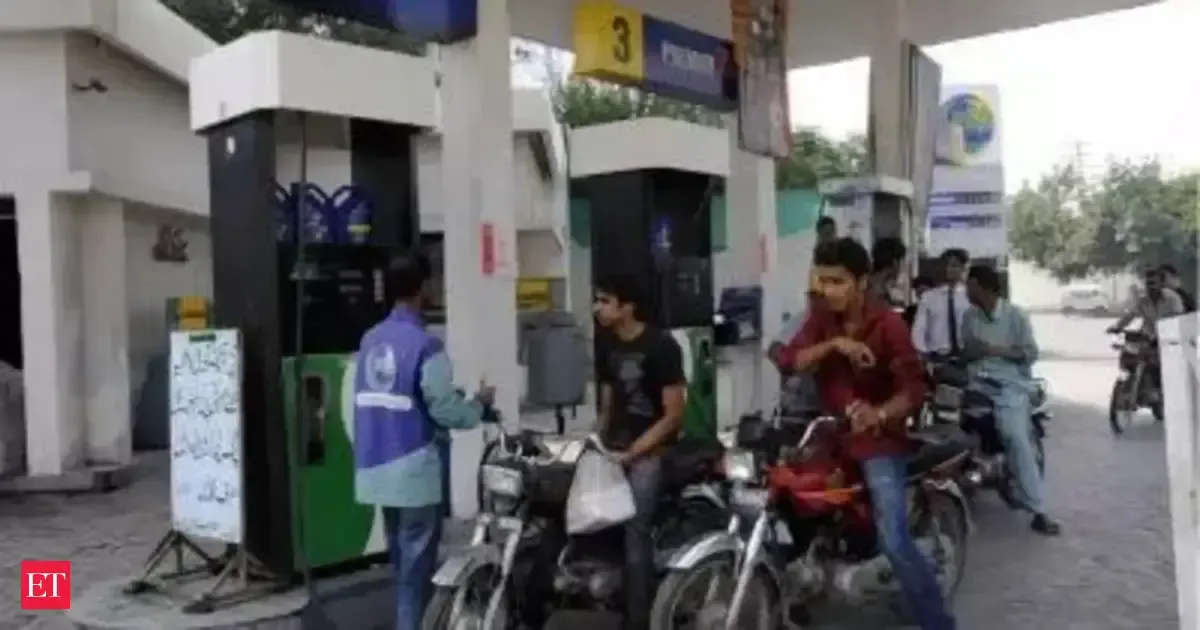
Sri Lanka raised fuel prices by 25 percent, marking the second increase in two weeks, amid concerns over the ongoing Middle East conflict affecting energy supplies. Petrol now costs 398 rupees per litre and diesel 382 rupees. The government aims to reduce fuel consumption by 15-20 percent and has introduced rationing, a four-day workweek, and work-from-home measures. Meanwhile, Sri Lanka is pursuing a long-term energy strategy through an India- and UAE-backed project to redevelop oil storage facilities in Trincomalee.
Political Bias
20%78%2%
Sentiment
36%
21 stories available
View AI Analysis
Bias Analysis: The articles present a range of perspectives including government officials emphasizing the necessity of fuel price hikes and energy rationing due to external geopolitical tensions. They also highlight Sri Lanka's strategic cooperation with India and the UAE on energy infrastructure, reflecting a pragmatic approach. Opposition or critical viewpoints are not prominently featured, focusing mainly on official statements and policy responses.
Sentiment: The overall tone is neutral to cautious, reflecting concern over the economic impact of the Middle East conflict on Sri Lanka's energy security. Coverage emphasizes government efforts to manage the crisis through price adjustments and strategic projects without overtly positive or negative language, maintaining an informative and measured sentiment.
Lens Score: 36/100 — Story is receiving appropriate media attention. Public interest: 0/100. Coverage gap: 100%.
Related Coverage
Select a news story to see related coverage from other media outlets.