Skip to content
Get the Balanced News app for a better experience!
The Balanced News Logo
Analytics
The Balanced News Logo

Stay Balanced, Stay Informed

Menu
  • Browse News
  • Underreported Stories
  • Curated Feeds
  • Insights
  • Analytics
  • Our Writers
  • About Us
  • Download App
Learn
  • How It Works
  • Bias Detection
  • Lens Score
  • Source Bias Checker
  • Accountability
  • Custom Feeds
Newsroom
  • Writers & Analysts
  • About TBN
  • Editorial Standards
  • Corrections Policy
  • Our Partners
  • Insights
Socials
  • Youtube
  • Instagram
  • X
  • Facebook
News Categories
  • Trending
  • Politics
  • Sports
  • Business
  • Tech
  • Entertainment
  • Health
  • Science
  • Crime
  • Lifestyle
  • National
  • International
  • Good News
  • Crypto

Get Our App

Available for iOS and Android


LensFeedsInsightsAnalyticsTrendingGood NewsSportsPoliticsBusinessCrimeTechEntertainmentHealthNationalInternational

© 2026 The Balanced News. All rights reserved.

About UsEditorial StandardsCorrectionsHelp & SupportPrivacy PolicyTerms & Conditions
Beetle-Based Biological Controls Successfully Manage Invasive Pests and Weeds in U.S.
Categories

Categories

Related Coverage

Select a news story to see related coverage from other media outlets.

Related Coverage

Select a news story to see related coverage from other media outlets.

  1. Home
  2. /
  3. Business

Beetle-Based Biological Controls Successfully Manage Invasive Pests and Weeds in U.S.

Analysed 21 Aug 2026·3 sources analysed·Oregon, United States·Business
Beetle-Based Biological Controls Successfully Manage Invasive Pests and Weeds in U.S.PreviousNext

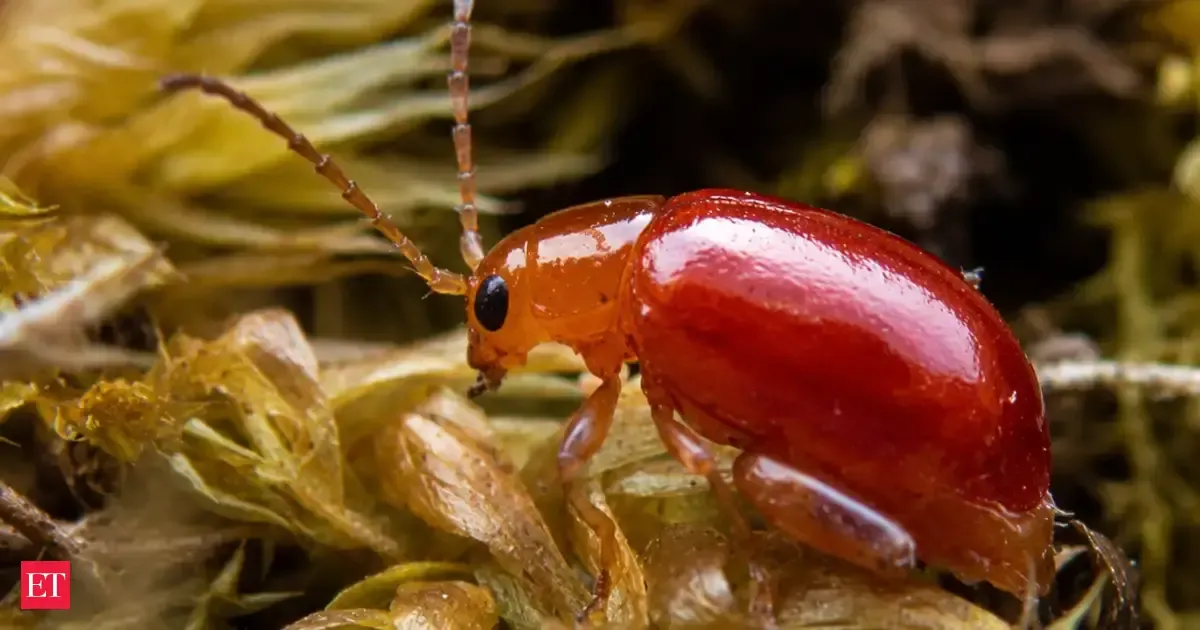
Biological control using beetles has effectively managed invasive pests and weeds in the U.S. since the late 19th century. The USDA introduced the vedalia beetle to combat California's cottony cushion scale in 1888, saving citrus crops. Oregon deployed a flea beetle in 1971 to reduce toxic tansy ragwort by 90%, aiding livestock safety. Florida has relied on the alligatorweed flea beetle since 1965 to control invasive aquatic mats, which collapse within months of beetle establishment. These cases highlight sustainable pest management alternatives to chemicals.

Sentiment
75%
TBN's observations

First-hand measurement across 3 sources

We measured how 3 outlets covered this story. No outlet gave this story a measurable political slant — there is no left–right reading to report. Overall sentiment is positive (75/100). Lens Score 41/100.

Outlets measured: economictimes, economictimes, economictimes. See how each one headlined and framed the same story in the source comparison below.

AI analysis of 3 sources · Published under editorial oversight by The Balanced News
Analysed 21 Aug 2026· How this analysis is produced· Editorial standards· Corrections

AI Analysis

Sentiment — Positive (75/100)

Sentiment was consistent across outlets (75–75/100), indicating broadly factual reporting rather than editorialising.

Coverage timeline

economictimes broke this story on 21 Aug, 01:11 pm. Other outlets followed.

21 Aug, 01:11 pm3 sources · 17 min21 Aug, 01:28 pm
AI analysis by the TBN Bias Engine · beat methodology byMrunal Wange· Business & Economy Editor· editorial standards byOjas Kale
← Previous
Government Revises One Star Export House Criteria, Introduces Automated Export Extensions
Next →
Madhur Knit Crafts Announces Rs 53.28 Crore IPO Opening August 24
  1. 1
    economictimes21 Aug, 01:11 pm
    In 1888, USDA sent an entomologist to Australia to collect vedalia beetles for California's cottony cushion scale; within a year, the pest had sharply declined
  2. 2
    economictimes21 Aug, 01:17 pm
    Since 1965, Florida has used the alligatorweed flea beetle to control invasive mats; once established, it can cause them to collapse within about 3 months
  3. 3
    economictimes21 Aug, 01:28 pm
    Since 1971, Oregon has used a flea beetle against tansy ragwort; 7 years later, the state said the biocontrol had cut infestations by 90

Who's involved

Institutions and figures named across source coverage.

Government
United States Geological SurveyUnited States Department of AgricultureOregon Department of AgricultureUnited States Army Corps of Engineers

Story context

Category
Business
Location
Oregon, United States
Sources analysed
3
Last analysed
21 Aug 2026
Key entities
Biological pest controlBeetleInsectCaliforniaAustraliaFlea beetleWeedPlantInvasive speciesAsiaEuropeNovius cardinalis