Late Monsoon and Rainfall Deficit Affect Kharif Sowing and Groundwater in India
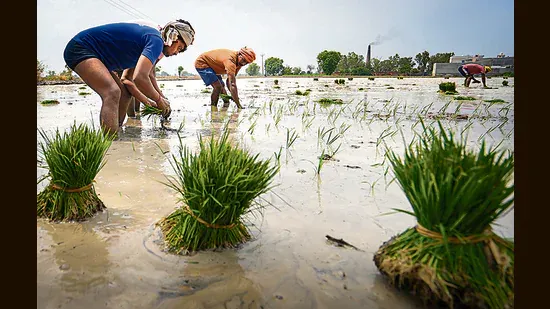
India's southwest monsoon has started late with significant rainfall deficits across many regions, including Punjab, Central, and Eastern India. This delay and below-normal rainfall have affected kharif sowing, notably reducing areas for pulses and cotton. While reservoir levels currently provide some irrigation buffer, experts warn that prolonged dry conditions could strain groundwater resources, increase food prices, and impact rural economies. Close monitoring is advised as the July-August period remains critical for crop recovery and agricultural outlook.
First-hand measurement across 5 sources
We measured how 5 outlets covered this story. Coverage leans balanced overall (Left 2%, Centre 97%, Right 1%). Overall sentiment is neutral (40/100). Lens Score 30/100 — low public interest.
Outlets analysed (first-hand measurement by TBN's Bias Engine):
- economictimes— balanced framing, neutral sentiment
- zeenews— balanced framing, neutral sentiment
- news18— balanced framing, neutral sentiment
- thetribune— balanced framing, neutral sentiment
- hindustantimes— balanced framing, neutral sentiment
AI Analysis
The article group presents a largely technical and economic perspective on the monsoon's impact, focusing on agricultural and environmental concerns without partisan framing. Sources include meteorological data and research reports, reflecting government and expert viewpoints. There is no evident political bias, as the coverage centers on factual reporting of weather patterns and their implications for farming and rural economies.
The overall tone across the articles is cautiously concerned, highlighting challenges posed by delayed monsoon and rainfall deficits. While the situation is described as problematic for agriculture and groundwater resources, the coverage also notes existing irrigation buffers and potential for recovery, resulting in a balanced, moderately negative but not alarmist sentiment.