India Faces Solar Power Surplus Amid Storage and Grid Limitations
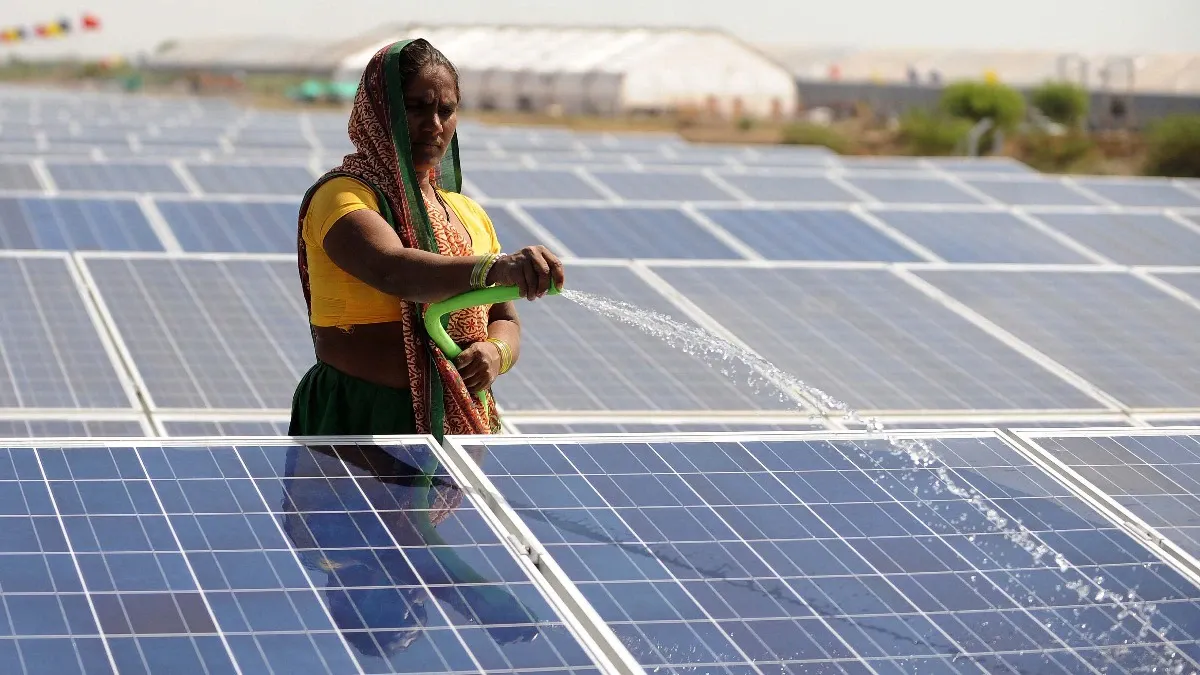
India's rapid expansion of solar power has led to a significant surplus of clean electricity during daytime, with about 24 GWh unused daily in May 2026 due to limited grid storage and flexibility. Solar capacity has grown from 2% in 2015-16 to nearly 29% of installed capacity by 2026, meeting rising demand but causing challenges in utilizing excess power after sunset. Experts and officials highlight the need to enhance storage infrastructure and grid management to fully harness renewable energy.
First-hand measurement across 2 sources
We measured how 2 outlets covered this story. Coverage leans balanced overall (Left 10%, Centre 85%, Right 5%). Overall sentiment is neutral (55/100). Lens Score 24/100 — low public interest.
Outlets analysed (first-hand measurement by TBN's Bias Engine):
- businessstandard— balanced framing, neutral sentiment
- indiatoday— balanced framing, neutral sentiment
AI Analysis
The articles present a largely technical and policy-focused perspective on India's solar power growth and grid challenges, reflecting viewpoints from government officials, economists, and advisory bodies. Coverage emphasizes India's renewable energy achievements alongside infrastructural shortcomings without partisan framing, representing both progress and areas needing improvement.
The overall tone is mixed, acknowledging India's significant progress in renewable energy capacity while highlighting the operational challenges of unused solar surplus. The sentiment balances optimism about clean energy milestones with concern over storage and grid constraints, reflecting a pragmatic view of the ongoing energy transition.
How 2 sources covered this story
Each source's own headline, political lean, and sentiment — so you can see framing differences at a glance.