Skip to content
Get the Balanced News app for a better experience!
The Balanced News Logo
Analytics
The Balanced News Logo

Stay Balanced, Stay Informed

Menu
  • Browse News
  • Underreported Stories
  • Curated Feeds
  • Insights
  • Analytics
  • Our Writers
  • About Us
  • Download App
Learn
  • How It Works
  • Bias Detection
  • Lens Score
  • Source Bias Checker
  • Accountability
  • Custom Feeds
Newsroom
  • Writers & Analysts
  • About TBN
  • Editorial Standards
  • Corrections Policy
  • Our Partners
  • Insights
Socials
  • Youtube
  • Instagram
  • X
  • Facebook
News Categories
  • Trending
  • Politics
  • Sports
  • Business
  • Tech
  • Entertainment
  • Health
  • Science
  • Crime
  • Lifestyle
  • National
  • International
  • Good News
  • Crypto

Get Our App

Available for iOS and Android


LensFeedsInsightsAnalyticsTrendingGood NewsSportsPoliticsBusinessCrimeTechEntertainmentHealthNationalInternational

© 2026 The Balanced News. All rights reserved.

About UsEditorial StandardsCorrectionsHelp & SupportPrivacy PolicyTerms & Conditions
Regional Conflicts Impact Middle East Oil Exports via Strategic Maritime Routes
Categories

Categories

Related Coverage

Select a news story to see related coverage from other media outlets.

Related Coverage

Select a news story to see related coverage from other media outlets.

  1. Home
  2. /
  3. Business

Regional Conflicts Impact Middle East Oil Exports via Strategic Maritime Routes

Analysed 21 Sept 2026·2 sources analysed·Oman·Business
Regional Conflicts Impact Middle East Oil Exports via Strategic Maritime RoutesPreviousNext

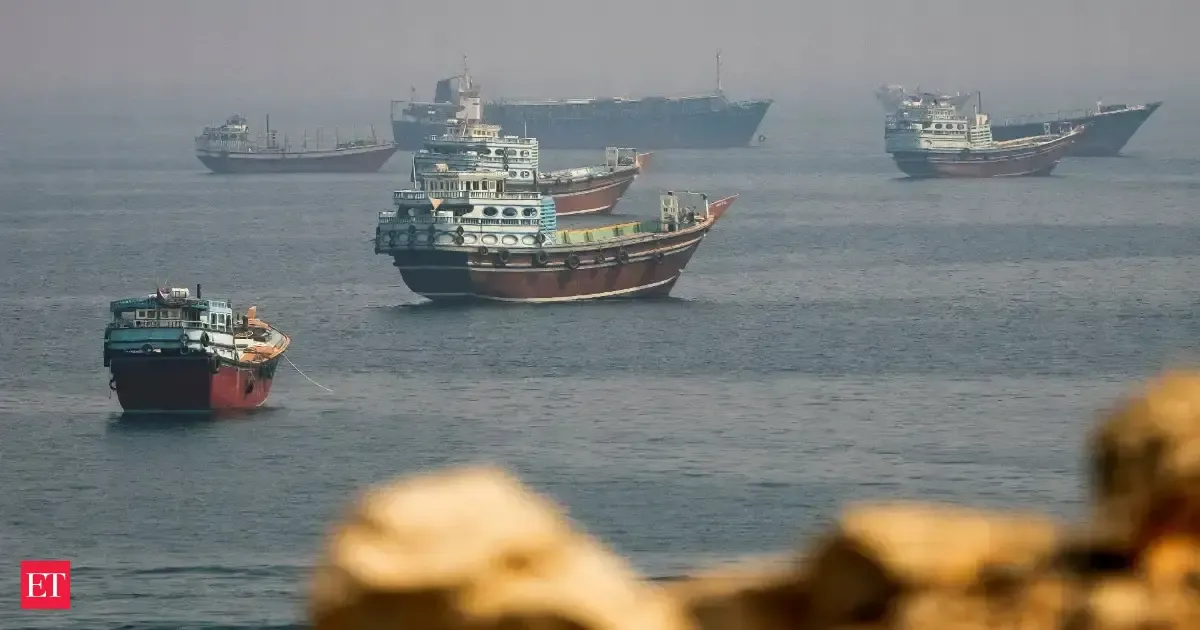
Middle East oil exports face challenges due to regional conflicts affecting key maritime routes. Producers are increasingly using ship-to-ship transfers off Oman's coast near the Strait of Hormuz to maintain crude flow amid risks and disruptions. Meanwhile, the Bab el-Mandeb Strait, controlled partly by Houthis, has become a new geopolitical flashpoint, threatening global shipping and energy supply. Closure of either strait could severely disrupt global trade and energy markets, highlighting the strategic importance of these maritime chokepoints.

Sentiment
40%
TBN's observations

First-hand measurement across 2 sources

We measured how 2 outlets covered this story. No outlet gave this story a measurable political slant — there is no left–right reading to report. Overall sentiment is neutral (40/100). Lens Score 42/100.

Outlets measured: economictimes, hindustantimes. See how each one headlined and framed the same story in the source comparison below.

AI analysis of 2 sources · Published under editorial oversight by The Balanced News
Analysed 21 Sept 2026· How this analysis is produced· Editorial standards· Corrections

AI Analysis

Sentiment — Neutral (40/100)

Sentiment was consistent across outlets (28–52/100), indicating broadly factual reporting rather than editorialising.

Coverage timeline

hindustantimes broke this story on 21 Sept, 05:47 am. Other outlets followed.

21 Sept, 05:47 am2 sources · 75 min21 Sept, 07:03 am
  1. 1
AI analysis by the TBN Bias Engine · beat methodology byMrunal Wange· Business & Economy Editor· editorial standards byOjas Kale
← Previous
iPhone Duo Cheaper in US Despite Customs; Box Disposal Won't Avoid Duty
Next →
Pune Expands Hadapsar Train Services and Develops Station Infrastructure
hindustantimes21 Sept, 05:47 am
Bab el-Mandeb crisis: New geopolitical flashpoint in West Asia
  • 2
    economictimes21 Sept, 07:03 am
    Hormuz shuttles keep oil flowing, but at a high cost
  • Who's involved

    Institutions and figures named across source coverage.

    Government
    Government of Saudi ArabiaPresidential Leadership Council
    Corporate
    Abu Dhabi National Oil CompanySaudi Aramco
    Political
    Ansar Allah

    Story context

    Category
    Business
    Location
    Oman
    Sources analysed
    2
    Last analysed
    21 Sept 2026
    Key entities
    Strait of HormuzRed SeaWestern AsiaSaudi ArabiaHouthi movementBab-el-MandebGeopoliticsPortYemenOil tankerBarrel (unit)Middle East