RBI Reaffirms Crypto Ban Preference as Tax Department Flags Evasion Risks
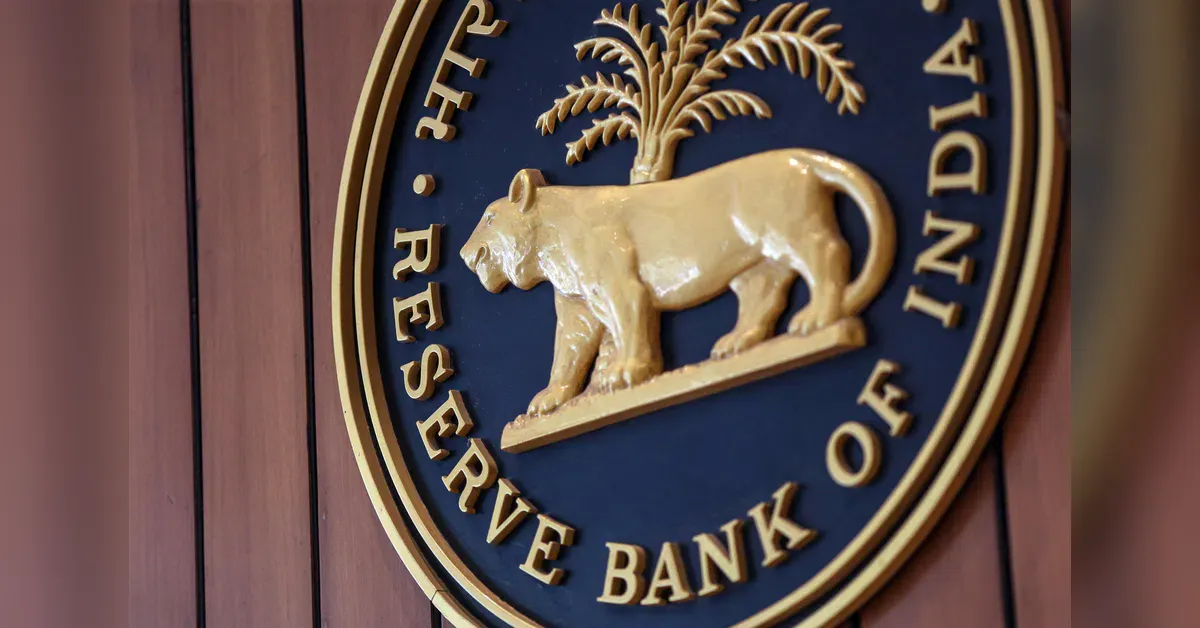
India's Reserve Bank (RBI) has reiterated its preference for a cryptocurrency policy leaning towards prohibition, citing risks to financial stability and monetary sovereignty, according to internal government documents. The tax department warned of challenges in tracking offshore crypto trading. Despite these concerns, the government has yet to formalize regulations, maintaining a cautious approach to balance innovation and risk. Meanwhile, Bitcoin prices showed volatility amid cautious investor sentiment and mixed market signals.
First-hand measurement across 6 sources
We measured how 6 outlets covered this story. Coverage leans balanced overall (Left 17%, Centre 76%, Right 7%). Overall sentiment is neutral (45/100). Lens Score 35/100 — moderate-to-low public interest.
Outlets analysed (first-hand measurement by TBN's Bias Engine):
- indiatoday— balanced framing, neutral sentiment
- firstpost— balanced framing, neutral sentiment
- businessstandard— balanced framing, neutral sentiment
- thetelegraph— balanced framing, neutral sentiment
- economictimes— balanced framing, neutral sentiment
- economictimes— balanced framing, neutral sentiment
AI Analysis
The article group presents perspectives primarily from Indian government agencies, including the RBI and tax authorities, emphasizing regulatory caution and financial stability concerns. It also references market analysts discussing cryptocurrency price movements. The coverage reflects official institutional viewpoints without partisan framing, focusing on policy uncertainty and economic implications.
The overall tone is cautious and neutral, highlighting regulatory concerns and market volatility without sensationalism. The articles balance warnings about risks and evasion with acknowledgment of ongoing trading activity and investor behavior, resulting in a measured sentiment that neither endorses nor condemns cryptocurrencies outright.
How 6 sources covered this story
Each source's own headline, political lean, and sentiment — so you can see framing differences at a glance.