Strait of Hormuz Closure Impacts Oil Supply and Spurs India’s Energy and Trade Initiatives
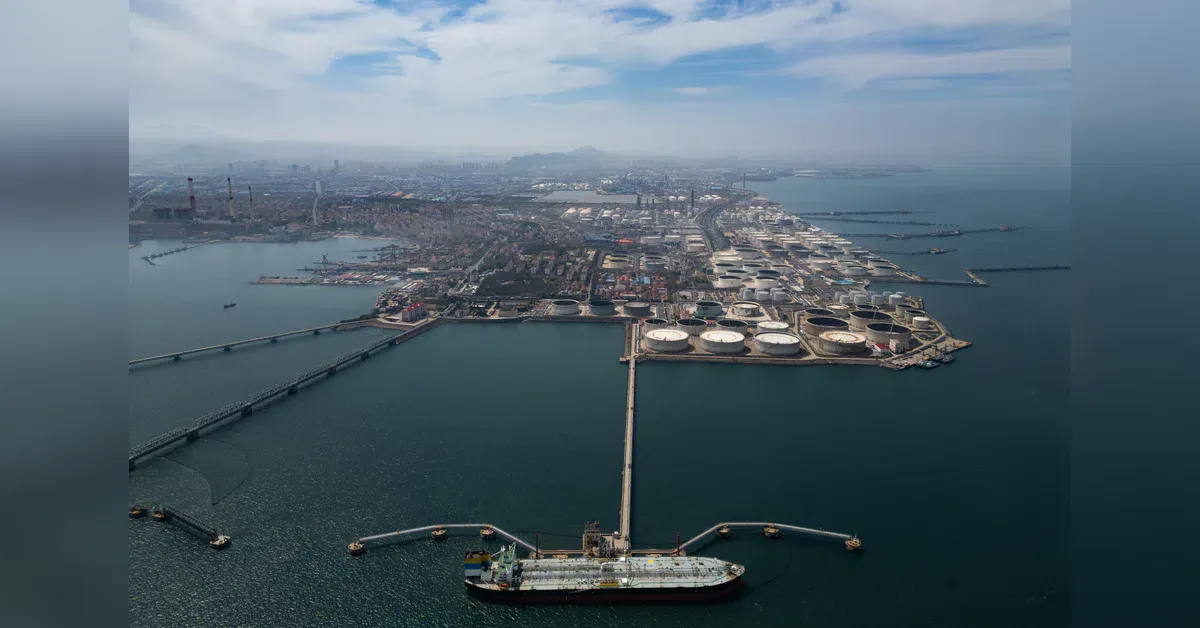
The closure of the Strait of Hormuz amid West Asia conflicts has caused a major supply shock, reducing global oil flows by over 10 million barrels daily. Despite this, oil prices have remained below $100 per barrel due to factors like increased US exports, reduced Chinese demand, and pre-war surpluses. Energy tankers increasingly use 'dark shipping' tactics to avoid detection in the region. India is seeking alternative energy and trade partnerships, including a new economic agreement with Oman and diplomatic engagements with the UAE and European countries to secure energy supplies and technology cooperation.
First-hand measurement across 5 sources
We measured how 5 outlets covered this story. Coverage leans balanced overall (Left 12%, Centre 82%, Right 6%). Overall sentiment is neutral (55/100). Lens Score 29/100 — low public interest.
Outlets analysed (first-hand measurement by TBN's Bias Engine):
- businessstandard— balanced framing, neutral sentiment
- indiatoday— balanced framing, positive sentiment
- mint— balanced framing, neutral sentiment
- indianexpress— balanced framing, neutral sentiment
- arunachaltimesin— balanced framing, positive sentiment
AI Analysis
The article group presents multiple perspectives including geopolitical tensions in West Asia, US and Iranian military actions, and India’s diplomatic efforts. Sources cover government statements, trade agreements, and strategic responses without endorsing any side. The framing includes both conflict-related challenges and economic strategies, reflecting a balanced view of international and regional dynamics.
The overall tone is mixed, combining concern over the geopolitical instability and supply disruptions with cautious optimism about mitigating measures such as increased US exports, reduced demand, and India’s proactive trade and energy diplomacy. Coverage acknowledges risks and uncertainties while highlighting adaptive responses and potential opportunities.
How 5 sources covered this story
Each source's own headline, political lean, and sentiment — so you can see framing differences at a glance.