RBI Revises NBFC Classification Norms and Exposure Limits for Upper Layer Entities
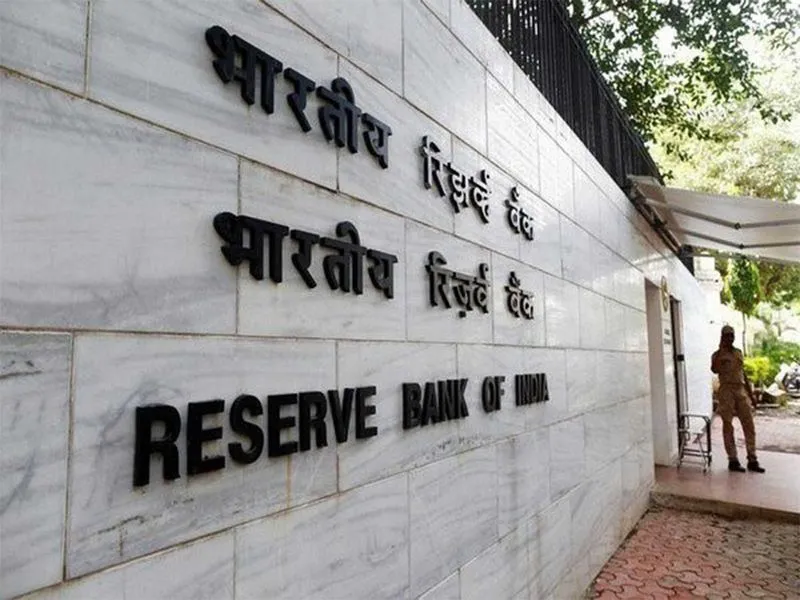
The Reserve Bank of India (RBI) has revised norms for classifying Non-Banking Financial Companies (NBFCs), setting an asset size threshold of Rs 1 lakh crore and above for the Upper Layer category, reviewed every three years. Eligible government-owned NBFCs can be included without mandatory stock exchange listing. The RBI increased the large exposure limit for Upper Layer Infrastructure Finance Companies to 45% of their eligible capital base from 35%, aiming to support infrastructure financing. Additionally, concentration-risk exemptions for government-owned NBFCs have been withdrawn, aligning their exposure limits with regulatory layers.
First-hand measurement across 4 sources
We measured how 4 outlets covered this story. Coverage leans balanced overall (Left 5%, Centre 93%, Right 2%). Overall sentiment is neutral (59/100). Lens Score 30/100 — low public interest.
Outlets analysed (first-hand measurement by TBN's Bias Engine):
- businessstandard— balanced framing, neutral sentiment
- news18— balanced framing, neutral sentiment
- thetribune— balanced framing, neutral sentiment
- economictimes— balanced framing, neutral sentiment
AI Analysis
The article group presents regulatory updates from the RBI without partisan framing. Coverage includes perspectives on regulatory adjustments affecting government-owned and private NBFCs, emphasizing policy changes and their rationale. Sources focus on the central bank's decisions and industry implications, reflecting a neutral stance centered on financial regulation rather than political debate.
The overall tone across the articles is neutral to mildly positive, highlighting regulatory changes intended to enhance oversight and support infrastructure financing. While some measures tighten norms for government-owned NBFCs, the coverage emphasizes the RBI's efforts to balance risk management with sectoral growth, avoiding sensational or critical language.
How 4 sources covered this story
Each source's own headline, political lean, and sentiment — so you can see framing differences at a glance.