RBI Revises NBFC Classification, Sets Rs 1 Lakh Crore Asset Threshold for Upper Layer
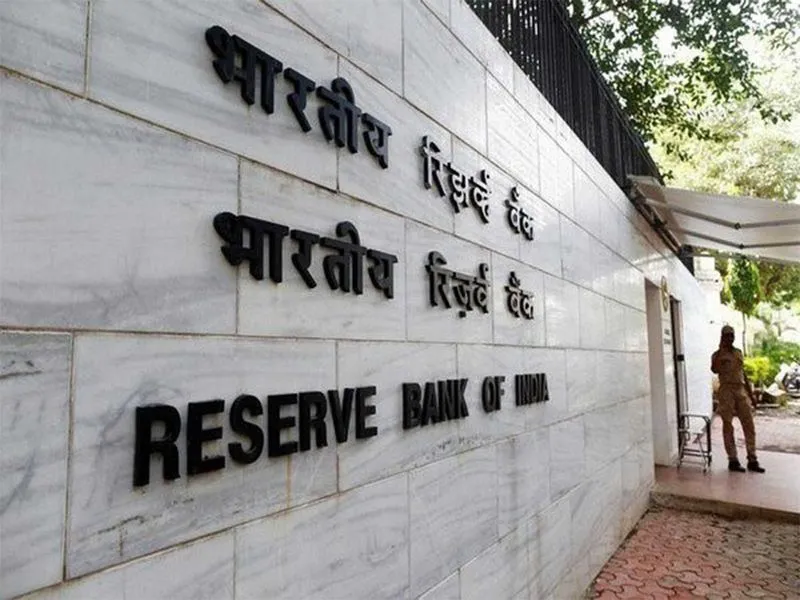
The Reserve Bank of India (RBI) has revised its scale-based regulatory framework for non-banking financial companies (NBFCs), classifying those with assets of Rs 1 lakh crore and above as Upper Layer entities subject to enhanced oversight. This change replaces the earlier multi-parameter method with a clear asset-size threshold reviewed every three years. Government-owned NBFCs meeting the criteria will be included but exempt from mandatory stock exchange listing. The RBI also increased the large exposure limit for Upper Layer Infrastructure Finance Companies from 35% to 45% of their capital base. The revised norms may intensify listing pressures on entities like Tata Sons, which exceeds the asset threshold, though the RBI removed the earlier definition of indirect public funds that had complicated its classification.
First-hand measurement across 10 sources
We measured how 10 outlets covered this story. Coverage leans balanced overall (Left 7%, Centre 89%, Right 4%). Overall sentiment is neutral (56/100). Lens Score 30/100 — low public interest.
Outlets analysed (first-hand measurement by TBN's Bias Engine):
- economictimes— balanced framing, neutral sentiment
- economictimes— balanced framing, neutral sentiment
- economictimes— balanced framing, neutral sentiment
- thefinancialexpress— balanced framing, neutral sentiment
- economictimes— balanced framing, neutral sentiment
- mint— balanced framing, neutral sentiment
- businessstandard— balanced framing, neutral sentiment
- news18— balanced framing, neutral sentiment
AI Analysis
The article group presents regulatory updates from the RBI without partisan framing, reflecting perspectives from the central bank, industry stakeholders, and affected entities like Tata Sons. While some sources highlight industry concerns over the asset threshold and listing requirements, others focus on the RBI's rationale for enhanced oversight and financial stability. Government-owned NBFCs' regulatory treatment is also discussed, showing a balance between regulatory tightening and exemptions. Overall, the coverage includes regulatory, corporate, and industry viewpoints without evident political bias.
The overall tone across the articles is neutral to cautiously analytical. Coverage acknowledges the RBI's regulatory tightening and simplification efforts, noting both the potential challenges for large NBFCs like Tata Sons and the rationale behind supporting infrastructure financing. While some articles emphasize industry concerns and the implications for corporate listings, others focus on the benefits of clearer norms and enhanced oversight. There is no overtly positive or negative sentiment, but a balanced presentation of regulatory changes and their impacts.