RBI Revises NBFC Upper Layer Norms, Sets Rs 1 Lakh Crore Asset Threshold and Exposure Limits
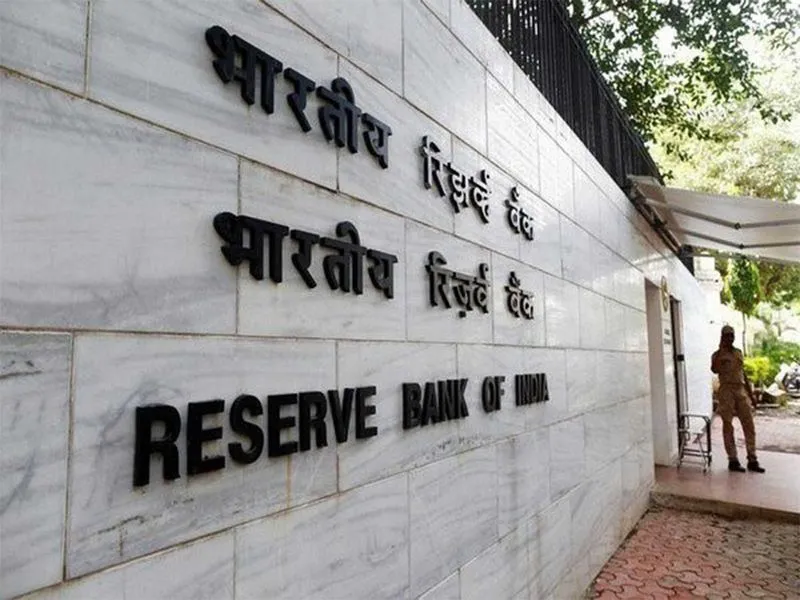
The Reserve Bank of India (RBI) has revised norms for classifying Non-Banking Financial Companies (NBFCs) into an 'Upper Layer' category, setting a clear asset size threshold of Rs 1 lakh crore and above based on the latest audited balance sheet. This replaces the earlier multi-parameter approach and mandates enhanced regulatory oversight, including public listing within three years for private NBFCs in this category. The RBI also increased the large exposure limit for upper-layer Infrastructure Finance Companies (IFCs) to 45% of their eligible capital base. Government-owned NBFCs are included under these norms but exempted from listing requirements, while facing tightened concentration risk rules without special exemptions. The changes impact major entities like Tata Sons, which exceeds the asset threshold, raising questions about mandatory listing despite some regulatory relief on public fund definitions.
First-hand measurement across 10 sources
We measured how 10 outlets covered this story. Coverage leans balanced overall (Left 7%, Centre 89%, Right 4%). Overall sentiment is neutral (56/100). Lens Score 30/100 — low public interest.
Outlets analysed (first-hand measurement by TBN's Bias Engine):
- economictimes— balanced framing, neutral sentiment
- economictimes— balanced framing, neutral sentiment
- economictimes— balanced framing, neutral sentiment
- thefinancialexpress— balanced framing, neutral sentiment
- economictimes— balanced framing, neutral sentiment
- mint— balanced framing, neutral sentiment
- businessstandard— balanced framing, neutral sentiment
- news18— balanced framing, neutral sentiment
AI Analysis
The article group presents a range of perspectives primarily from regulatory and industry viewpoints. Sources include official RBI statements and industry reactions, notably from major corporate entities like Tata Sons. The coverage reflects regulatory intentions to enhance oversight and industry concerns over compliance burdens, without favoring any political ideology. The framing is technical and policy-focused, emphasizing regulatory clarity and market impact rather than political debate.
The overall tone across the articles is neutral to cautiously analytical. While the RBI's regulatory tightening and increased exposure limits are presented as necessary for financial stability and infrastructure support, industry responses highlight challenges and partial reliefs, such as the removal of certain public fund criteria. The sentiment balances regulatory prudence with corporate concerns, avoiding overtly positive or negative language.