RBI Revises NBFC Upper Layer Norms, Sets Rs 1 Lakh Crore Asset Threshold, Impacts Tata Sons
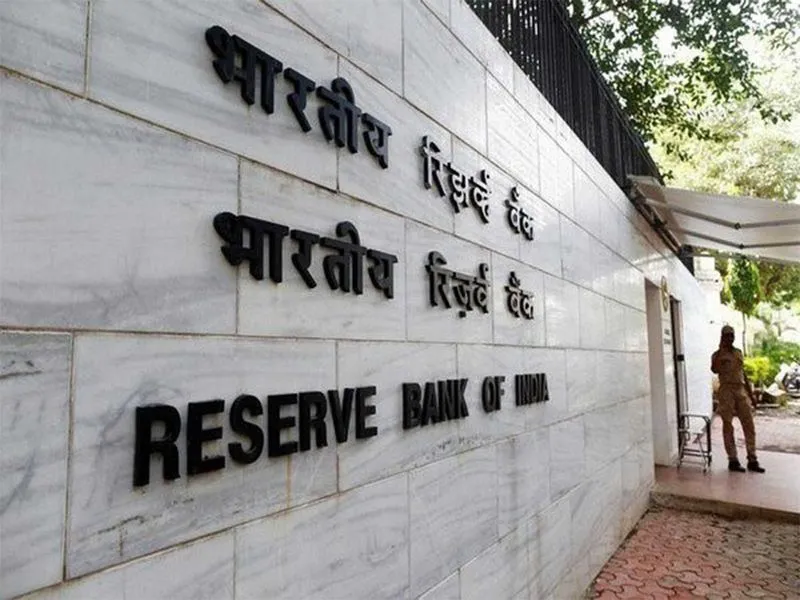
The Reserve Bank of India (RBI) has revised its framework for classifying Non-Banking Financial Companies (NBFCs), setting a clear asset-size threshold of Rs 1 lakh crore and above for the 'Upper Layer' category, replacing the earlier multi-parameter system. This change mandates enhanced regulatory oversight and public listing requirements for qualifying NBFCs, except government-owned entities which are exempt from listing. The RBI also increased exposure limits for upper-layer infrastructure finance companies from 35% to 45% of their capital base. The revised norms, effective June 24, renew focus on Tata Sons, whose asset size exceeds the threshold, intensifying regulatory scrutiny and potential listing obligations. While the RBI removed the 'indirect public funds' criterion easing some regulatory pressure on Tata Sons, the core issue of mandatory listing remains unresolved, pending regulatory decisions. The RBI will review the asset threshold every three years, and government-owned NBFCs must comply with concentration norms without special exemptions.
First-hand measurement across 15 sources
We measured how 15 outlets covered this story. Coverage leans balanced overall (Left 6%, Centre 91%, Right 3%). Overall sentiment is neutral (58/100). Lens Score 30/100 — low public interest.
Outlets analysed (first-hand measurement by TBN's Bias Engine):
- businessstandard— balanced framing, positive sentiment
- businessstandard— balanced framing, neutral sentiment
- freepressjournal— balanced framing, neutral sentiment
- english— balanced framing, neutral sentiment
- businessstandard— balanced framing, neutral sentiment
- republicworld— balanced framing, neutral sentiment
- thetribune— balanced framing, neutral sentiment
- economictimes— balanced framing, neutral sentiment
AI Analysis
The article group presents a range of perspectives primarily focused on regulatory and industry viewpoints without explicit political framing. Sources highlight the RBI's regulatory rationale, industry responses, and implications for major corporate entities like Tata Sons. The coverage includes government regulatory positions, industry feedback, and investor reactions, maintaining a focus on policy and business impacts rather than partisan political narratives.
The overall tone across the articles is mixed, combining neutral reporting of regulatory changes with cautious optimism from industry and investors regarding potential impacts. While the RBI's removal of the 'indirect public funds' criterion is seen as a partial relief for Tata Sons, the persistent uncertainty about mandatory listing introduces a note of concern. Investor reactions to related Tata Group stocks show positive sentiment, reflecting anticipation of clarity, but the unresolved regulatory questions temper enthusiasm.