South Korea Raises Interest Rate Amid Currency Concerns and Market Decline
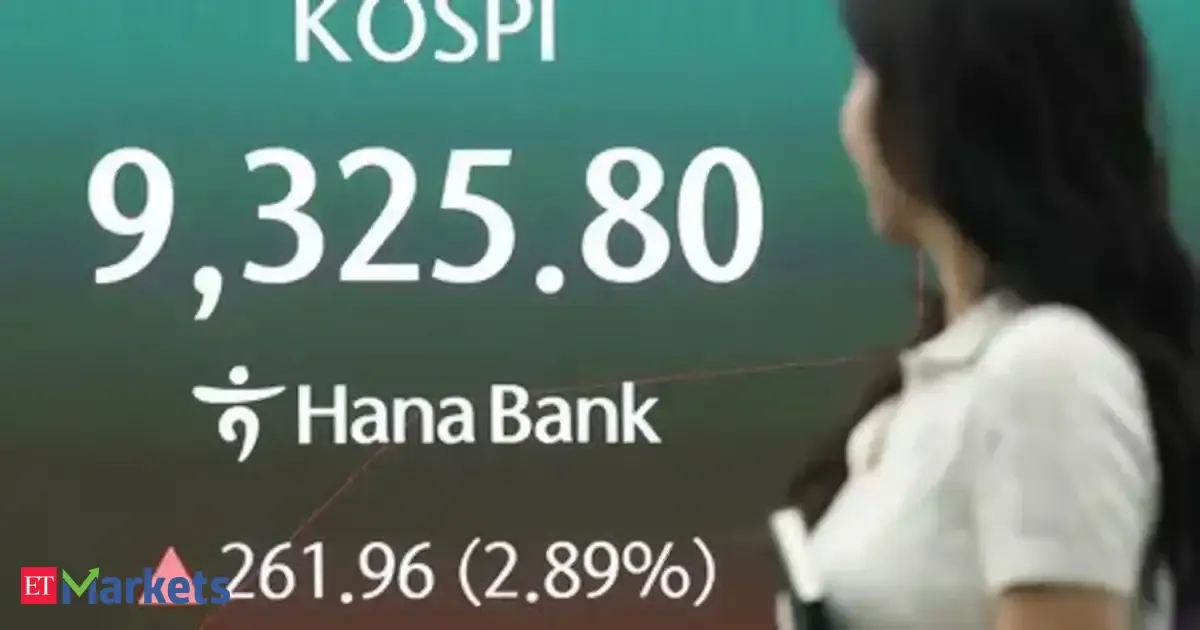
South Korea's central bank raised its benchmark interest rate by 25 basis points to 2.75%, marking the first hike in over three years to stabilize the weakening won and address inflationary pressures. The move followed a decline in South Korean shares, particularly in chipmaker stocks like SK Hynix and Samsung Electronics, which contributed to a 6.9% drop in the KOSPI index. The Bank of Korea signaled potential further rate increases amid expectations of stronger-than-forecast economic growth and persistent inflation.
First-hand measurement across 3 sources
We measured how 3 outlets covered this story. Coverage leans balanced overall (Left 0%, Centre 100%, Right 0%). Overall sentiment is neutral (48/100). Lens Score 37/100 — moderate-to-low public interest.
Outlets analysed (first-hand measurement by TBN's Bias Engine):
- economictimes— balanced framing, neutral sentiment
- economictimes— balanced framing, neutral sentiment
- economictimes— balanced framing, neutral sentiment
AI Analysis
The articles primarily present economic and financial perspectives without evident political framing. They focus on the central bank's monetary policy decisions, market reactions, and economic forecasts. The coverage includes official statements and analyst opinions, reflecting a consensus on the rationale behind the rate hike and its anticipated effects, without partisan or ideological bias.
The overall tone is neutral to cautiously concerned, highlighting the central bank's proactive measures to stabilize the currency and control inflation alongside noting the significant stock market decline. While the rate hike is framed as a response to economic challenges, the expectation of continued growth introduces a cautiously optimistic element, resulting in a balanced sentiment across the articles.