Skip to content
Get the Balanced News app for a better experience!
The Balanced News Logo
Analytics
The Balanced News Logo

Stay Balanced, Stay Informed

Menu
  • Browse News
  • Underreported Stories
  • Curated Feeds
  • Insights
  • Analytics
  • Our Writers
  • About Us
  • Download App
Learn
  • How It Works
  • Bias Detection
  • Lens Score
  • Source Bias Checker
  • Accountability
  • Custom Feeds
Newsroom
  • Writers & Analysts
  • About TBN
  • Editorial Standards
  • Corrections Policy
  • Our Partners
  • Insights
Socials
  • Youtube
  • Instagram
  • X
  • Facebook
News Categories
  • Trending
  • Politics
  • Sports
  • Business
  • Tech
  • Entertainment
  • Health
  • Science
  • Crime
  • Lifestyle
  • National
  • International
  • Good News
  • Crypto

Get Our App

Available for iOS and Android


LensFeedsInsightsAnalyticsTrendingGood NewsSportsPoliticsBusinessCrimeTechEntertainmentHealthNationalInternational

© 2026 The Balanced News. All rights reserved.

About UsEditorial StandardsCorrectionsHelp & SupportPrivacy PolicyTerms & Conditions
Mumbai's Real Estate and Data Centre Capacity Projected to Grow Significantly by 2030
Categories

Categories

Related Coverage

Select a news story to see related coverage from other media outlets.

Related Coverage

Select a news story to see related coverage from other media outlets.

  1. Home
  2. /
  3. Business

Mumbai's Real Estate and Data Centre Capacity Projected to Grow Significantly by 2030

Analysed 9 Sept 2026·2 sources analysed·Mumbai, India·Business
Mumbai's Real Estate and Data Centre Capacity Projected to Grow Significantly by 2030PreviousNext

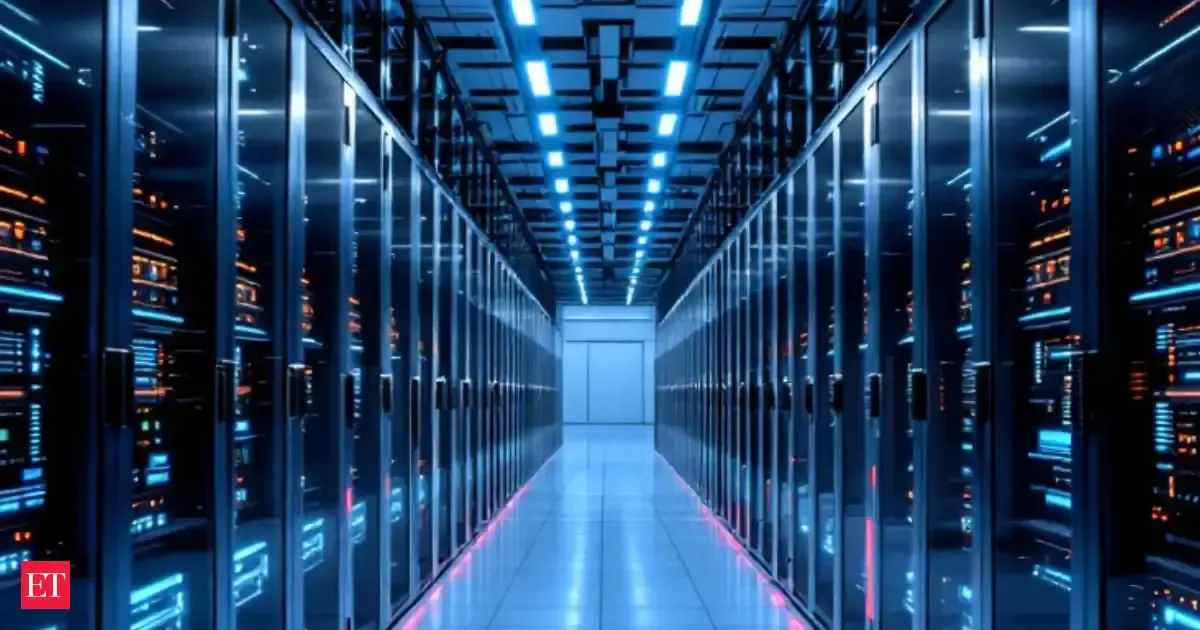
Mumbai's real estate market is projected to grow significantly through 2030, with office space expected to expand at a compound annual growth rate (CAGR) of 12-15 percent and retail space growing faster at 14-17 percent. Residential sales may increase at 6-8 percent CAGR, supported by infrastructure improvements and new housing projects. Additionally, Mumbai is set to dominate India's data centre capacity, reaching 68 percent by 2030, driven by demand from financial institutions, cloud providers, and AI-related investments.

Sentiment
72%
TBN's observations

First-hand measurement across 2 sources

We measured how 2 outlets covered this story. No outlet gave this story a measurable political slant — there is no left–right reading to report. Overall sentiment is positive (72/100). Lens Score 41/100.

Outlets measured: economictimes, freepressjournal. See how each one headlined and framed the same story in the source comparison below.

AI analysis of 2 sources · Published under editorial oversight by The Balanced News
Analysed 9 Sept 2026· How this analysis is produced· Editorial standards· Corrections

AI Analysis

Sentiment — Positive (72/100)

Sentiment was consistent across outlets (70–75/100), indicating broadly factual reporting rather than editorialising.

Coverage timeline

freepressjournal broke this story on 9 Sept, 07:37 am. Other outlets followed.

9 Sept, 07:37 am2 sources · 82 min9 Sept, 08:58 am
AI analysis by the TBN Bias Engine · beat methodology byMrunal Wange· Business & Economy Editor· editorial standards byOjas Kale
← Previous
India-US Trade Deal Nears Finalization with Preferential Access Framework Underway
Next →
SBI Invites Applications for 207 Specialist Officer Posts with Salaries Up to Rs 97 Lakh
1
freepressjournal9 Sept, 07:37 am
Mumbai Office Demand May Grow 12-15 CAGR Through 2030, Retail Sector Could Expand At Faster 14-17 Pace
  • 2
    economictimes9 Sept, 08:58 am
    Mumbai set to hold 68 of India's data centre capacity by 2030
  • Who's involved

    Institutions and figures named across source coverage.

    Corporate
    Confederation of Indian IndustryCBRE LimitedCBRE Group, Inc.

    Story context

    Category
    Business
    Location
    Mumbai, India
    Sources analysed
    2
    Last analysed
    9 Sept 2026
    Key entities
    MumbaiIndiaBankData centerCompound annual growth rateRetailOutlook (Indian magazine)Confederation of Indian IndustryFinancial servicesMumbai Metropolitan RegionThird-party logisticsIndustrial park