1 hour agoBusiness
31LENS
3 SourcesLondon, United Kingdom
 thebalanced.news
Middle East Conflict Disrupts Strait of Hormuz and Bab el-Mandeb Shipping Routes
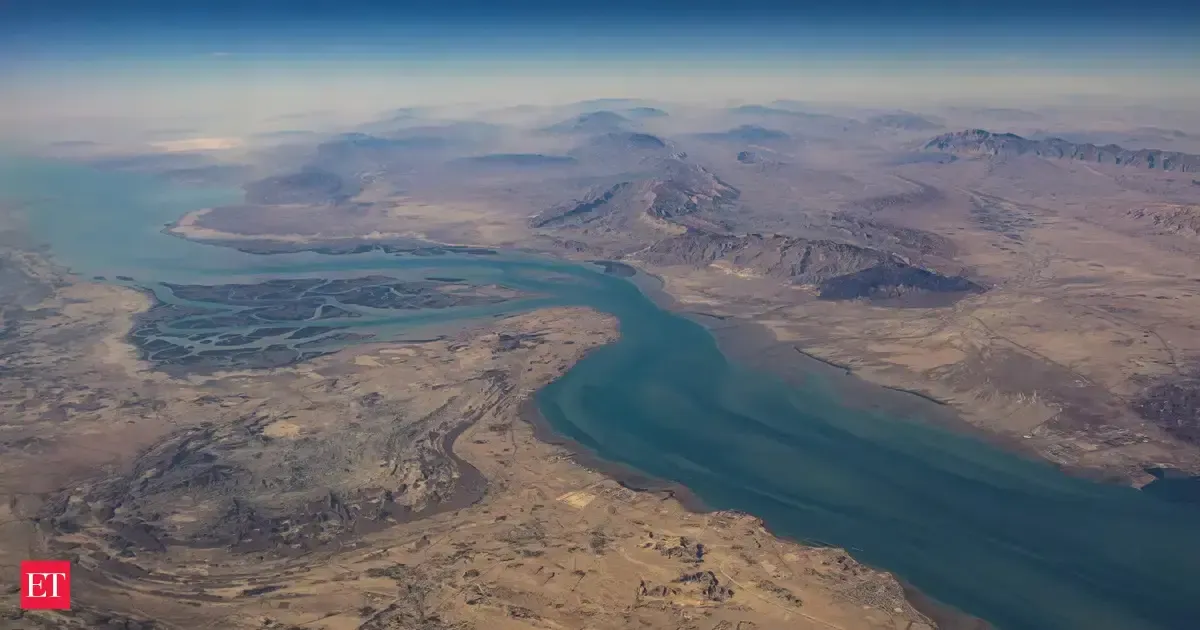
The Middle East conflict has severely disrupted two critical maritime chokepoints: the Strait of Hormuz and the Bab el-Mandeb Strait. The Strait of Hormuz, vital for about 20% of global crude oil and LNG, has seen a 95% drop in traffic, with 24 reported attacks and at least eight seafarer deaths. Meanwhile, tensions around Bab el-Mandeb, a key link to the Suez Canal handling 8.8 million barrels of oil daily, have led shipping firms to reroute vessels around Africa, increasing costs and transit times. Both straits' instability threatens global trade and energy supplies, pushing oil prices above $110 per barrel.
Political Bias
0%100%0%
Sentiment
30%
20 stories available
View AI Analysis
Bias Analysis: The articles present perspectives focusing on the geopolitical tensions involving the United States, Israel, Iran, and the Iran-aligned Houthi movement, highlighting their roles in escalating regional instability. Coverage includes official data from maritime and international organizations and statements from involved parties, reflecting a range of viewpoints without endorsing any side. The framing centers on the impact of conflict on global trade rather than political judgments.
Sentiment: The overall tone is cautionary and concerned, emphasizing the negative consequences of maritime disruptions on global energy supplies and trade. While factual and neutral, the coverage conveys urgency due to rising oil prices, stranded seafarers, and increased shipping costs. There is no overtly positive or optimistic sentiment, reflecting the seriousness of the situation.
Lens Score: 31/100 — Story is well-covered by media outlets. Public interest: 0/100. Coverage gap: 100%.
Related Coverage
Select a news story to see related coverage from other media outlets.