India's Investment Treaties and Trade Agreements Face Challenges Amid Revamp Plans
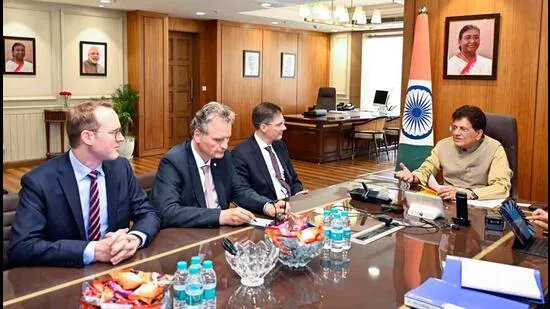
India has signed several bilateral investment treaties (BITs) and free trade agreements (FTAs) in recent years, aiming to boost trade and investment amid global supply chain challenges. However, negotiations with partners like the EU and UK face hurdles over investment protection, taxation, and dispute resolution mechanisms. India's 2015 BIT framework, designed to address investor concerns, has yielded limited agreements, prompting plans to revamp it for greater investor-friendliness. Meanwhile, foreign investment flows show mixed trends, with capital outflows and declining net FDI raising concerns about investor confidence and the need for improved ease of doing business and stable tax policies.
First-hand measurement across 3 sources
We measured how 3 outlets covered this story. Coverage leans balanced overall (Left 13%, Centre 79%, Right 8%). Overall sentiment is neutral (60/100). Lens Score 25/100 — low public interest.
Outlets analysed (first-hand measurement by TBN's Bias Engine):
- hindustantimes— balanced framing, neutral sentiment
- hindustantimes— balanced framing, positive sentiment
- indianexpress— balanced framing, neutral sentiment
AI Analysis
The article group presents a range of perspectives focusing on India's investment and trade policies without partisan framing. Sources highlight government initiatives to negotiate BITs and FTAs, challenges in aligning with international partners, and the need for policy adjustments. Both government efforts and investor concerns are represented, reflecting a balanced view of policy complexities and economic implications.
The overall tone is mixed, combining cautious optimism about India's trade agreements and investment potential with concerns over stalled negotiations and capital outflows. Coverage acknowledges successes in trade growth with new partners while noting investor apprehensions and the necessity for policy reforms, resulting in a nuanced and measured sentiment.
How 3 sources covered this story
Each source's own headline, political lean, and sentiment — so you can see framing differences at a glance.