India's Chief Economic Advisor Discusses Economic Impact of U.S.-Iran Peace Deal
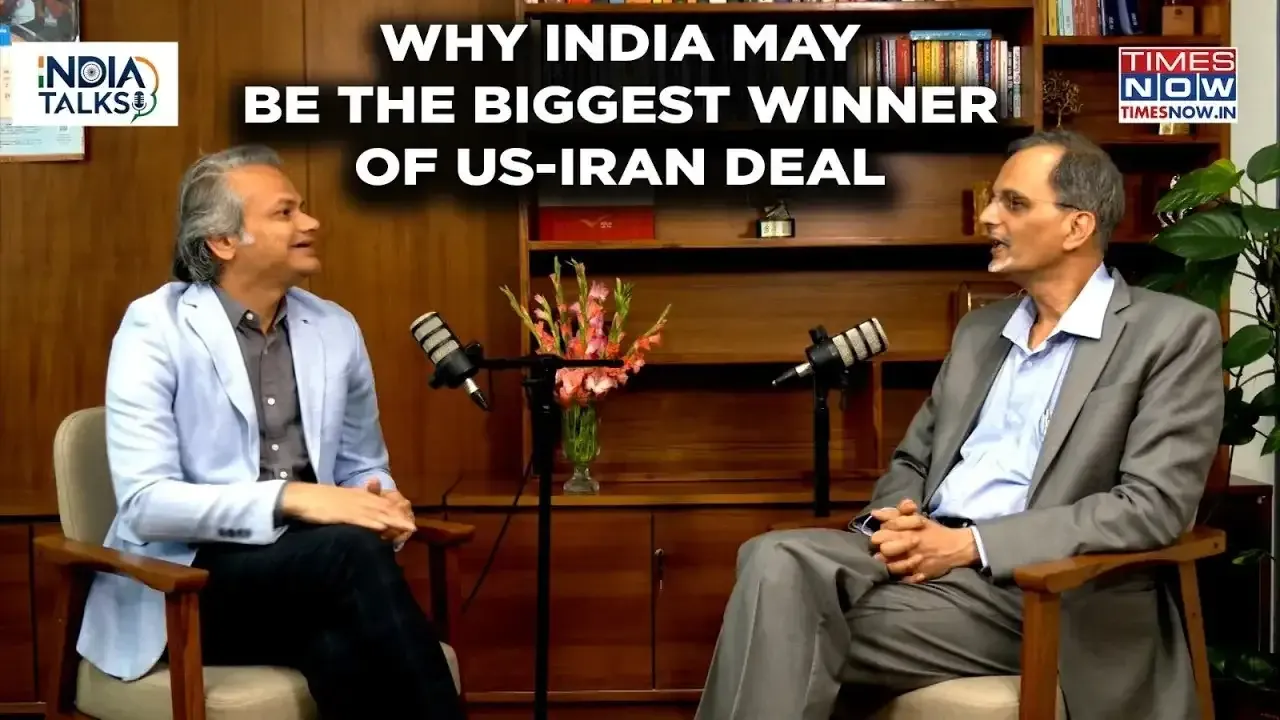
India's Chief Economic Advisor V. Anantha Nageswaran welcomed the recent U.S.-Iran peace deal, highlighting its potential to lower crude oil prices and benefit India's economy by reducing energy costs. He noted that falling oil prices could strengthen the rupee, ease inflation, and support manufacturing and exports. Nageswaran also emphasized the need for public sector leadership to enhance energy security through strategic reserves and nuclear power, and advocated for sustained investment in research, development, and small and medium enterprises to bolster India's industrial growth.
First-hand measurement across 2 sources
We measured how 2 outlets covered this story. Coverage leans balanced overall (Left 10%, Centre 82%, Right 8%). Overall sentiment is positive (72/100). Lens Score 34/100 — low public interest.
Outlets analysed (first-hand measurement by TBN's Bias Engine):
- timesnow— balanced framing, positive sentiment
- thehindu— balanced framing, positive sentiment
AI Analysis
The articles primarily present the perspective of India's Chief Economic Advisor, focusing on economic and strategic implications of the U.S.-Iran peace deal. They reflect a government-aligned viewpoint emphasizing policy measures and public sector roles without partisan framing. The coverage is centered on economic policy and national development priorities, with no evident political bias or opposition perspectives.
The overall tone across the articles is cautiously optimistic, highlighting potential economic benefits from the peace deal and energy cost reductions. While hopeful about positive outcomes, the coverage also acknowledges challenges such as energy security and the need for strategic investments, resulting in a balanced and forward-looking sentiment.
How 2 sources covered this story
Each source's own headline, political lean, and sentiment — so you can see framing differences at a glance.