China's Q2 GDP Growth Slows to 4.3% Amid Weak Domestic Demand and Strong Exports
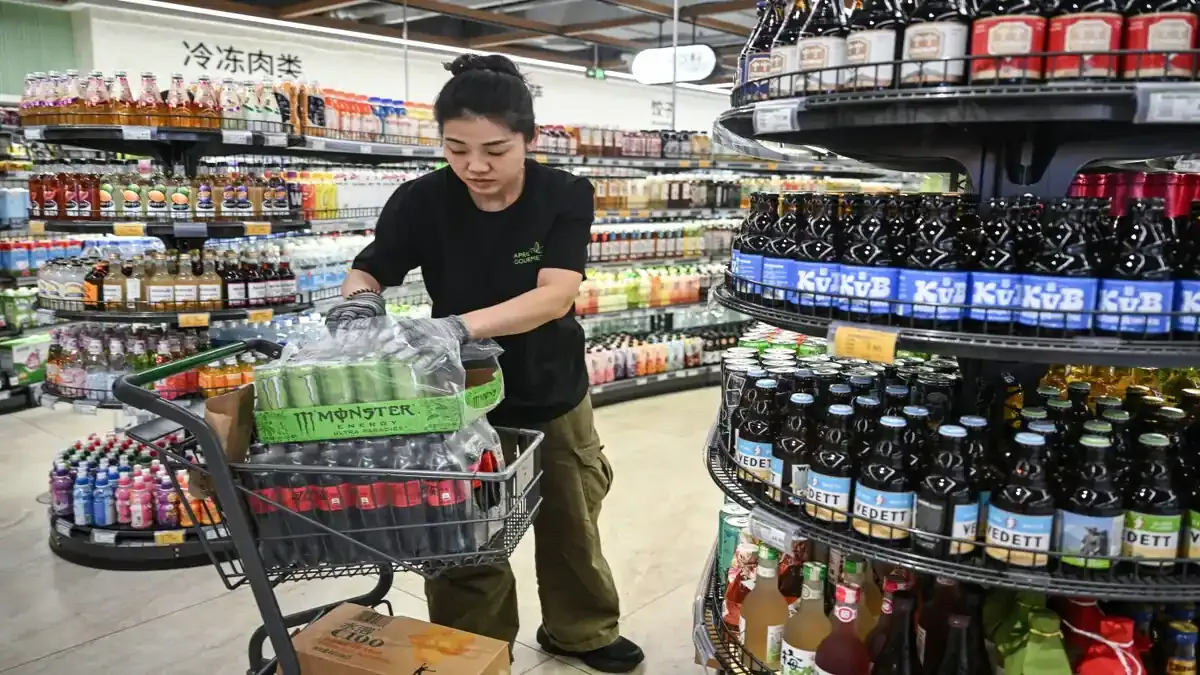
China's economy grew 4.3% year-on-year in the second quarter of 2026, marking its slowest pace since late 2022 and missing the official target range of 4.5% to 5%. The slowdown reflects weak domestic demand, a prolonged property slump, and reduced investment, despite strong exports driven by artificial intelligence-related products and high-tech manufacturing. Policymakers face challenges in addressing structural imbalances and are expected to consider increased fiscal spending and infrastructure investment to support growth amid ongoing external uncertainties.
First-hand measurement across 9 sources
We measured how 9 outlets covered this story. Coverage leans balanced overall (Left 0%, Centre 100%, Right 0%). Overall sentiment is neutral (42/100). Lens Score 29/100 — low public interest.
Outlets analysed (first-hand measurement by TBN's Bias Engine):
- freepressjournal— balanced framing, neutral sentiment
- news18— balanced framing, neutral sentiment
- timesnow— balanced framing, neutral sentiment
- republicworld— balanced framing, neutral sentiment
- economictimes— balanced framing, neutral sentiment
- economictimes— balanced framing, neutral sentiment
- news18— balanced framing, neutral sentiment
- businessstandard— balanced framing, neutral sentiment
AI Analysis
The article group presents a range of perspectives focusing on China's economic performance, with sources emphasizing both government data and expert analysis. Coverage includes official statements, economic forecasts, and policy implications without favoring any political stance. The narrative balances recognition of government targets and challenges with independent economic assessments, reflecting a neutral framing of China's growth dynamics and policy responses.
The overall tone across the articles is measured and factual, highlighting economic slowdown concerns alongside areas of resilience such as exports and manufacturing. While some sources note pressures on policymakers and structural challenges, the sentiment remains balanced without overtly negative or positive language, reflecting cautious optimism about potential policy measures to stabilize growth.