India's Urban Growth: Challenges and Trends in Vertical and Sustainable Living
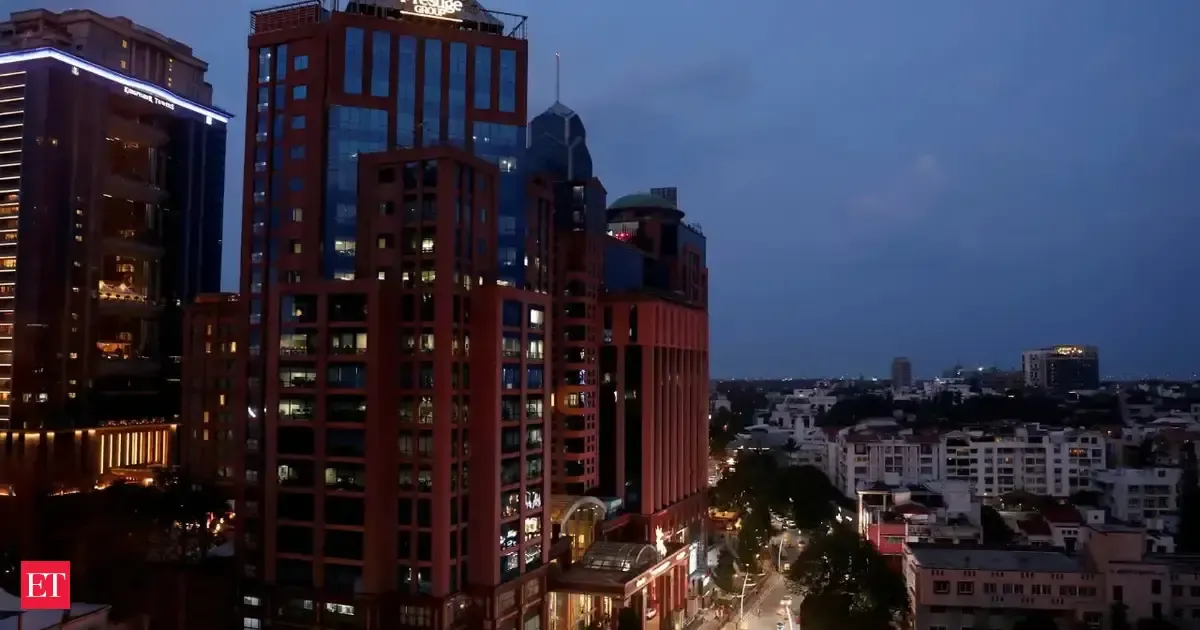
India's urban development faces challenges balancing vertical growth and sustainable living. While the country has only one supertall building exceeding 300 meters due to regulatory and infrastructure hurdles, high-rise living is increasingly common. Experts emphasize designing skyscrapers that support environmental sustainability and resident well-being. Concurrently, integrated township concepts like 15-minute cities are gaining popularity, aiming to reduce commute times by providing essential amenities within close proximity, reflecting evolving urban lifestyle priorities.
First-hand measurement across 3 sources
We measured how 3 outlets covered this story. Coverage leans balanced overall (Left 3%, Centre 95%, Right 2%). Overall sentiment is positive (68/100). Lens Score 20/100 — low public interest.
Outlets analysed (first-hand measurement by TBN's Bias Engine):
- hindustantimes— balanced framing, positive sentiment
- ndtv— balanced framing, positive sentiment
- economictimes— balanced framing, neutral sentiment
AI Analysis
The articles collectively present a neutral perspective focusing on urban development challenges and innovations without partisan framing. They include viewpoints from industry experts, urban planners, and real estate stakeholders, emphasizing regulatory, infrastructural, and lifestyle considerations. The coverage balances critiques of current limitations with discussions of emerging sustainable and integrated urban models, avoiding political polarization.
The overall tone is mixed but constructive, acknowledging obstacles in building supertall structures while highlighting positive trends in sustainable design and integrated urban living. The sentiment reflects cautious optimism about India's urban future, emphasizing practical solutions and evolving preferences rather than focusing solely on problems or successes.