India Urges US to Reconsider Proposed 12.5% Tariff, Advocates Bilateral Trade Talks
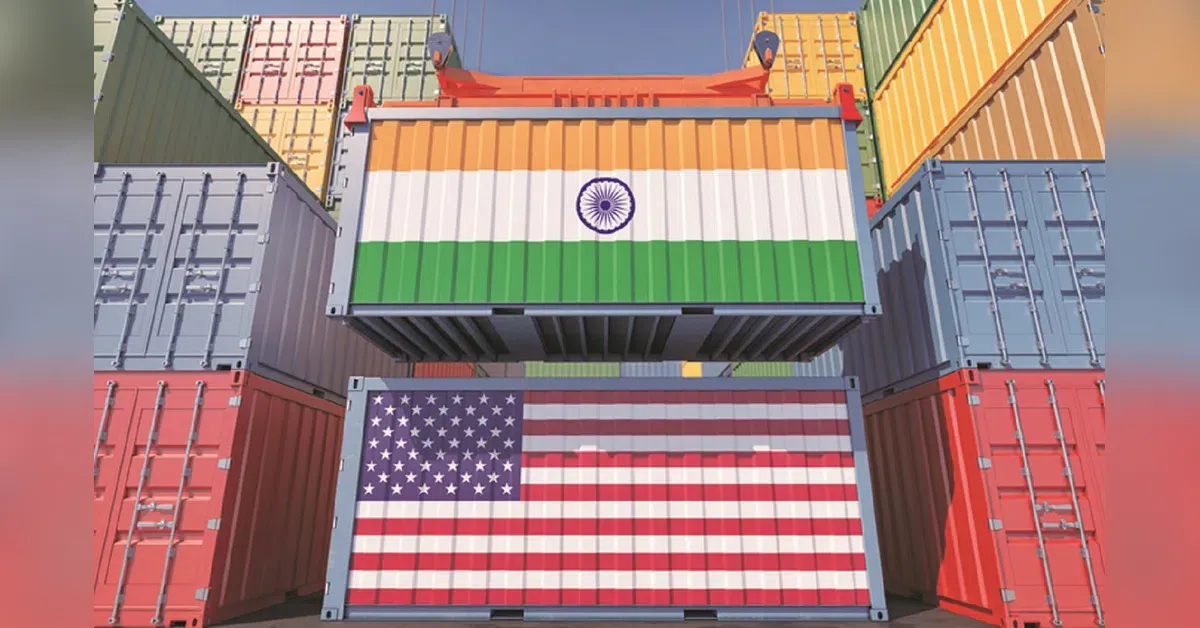
India has urged the US Trade Representative to reconsider the proposed 12.5% tariff under Section 301, citing flaws and insufficient evidence in the forced labour investigation. Indian officials emphasized their constitutional and international commitment to eliminating forced labour and advocated resolving trade issues through bilateral negotiations rather than unilateral measures. Meanwhile, India’s broader trade relations, including with Australia, ASEAN, Japan, and the UK, face challenges such as trade deficits and the need for improved standards and certifications to fully benefit from free trade agreements. The India-US bilateral trade deal remains on hold amid demands for competitive advantages comparable to other countries.
First-hand measurement across 8 sources
We measured how 8 outlets covered this story. Coverage leans balanced overall (Left 16%, Centre 76%, Right 8%). Overall sentiment is neutral (50/100). Lens Score 29/100 — low public interest.
Outlets analysed (first-hand measurement by TBN's Bias Engine):
- mint— balanced framing, neutral sentiment
- businessstandard— balanced framing, neutral sentiment
- freepressjournal— balanced framing, neutral sentiment
- news18— balanced framing, neutral sentiment
- hindustantimes— balanced framing, neutral sentiment
- businessstandard— balanced framing, neutral sentiment
- english— balanced framing, neutral sentiment
- scrollin— left-leaning framing, neutral sentiment
AI Analysis
The article group presents perspectives primarily from Indian government officials and trade representatives emphasizing India's position against the US tariff proposal and advocating bilateral negotiations. It includes critical views of the US Section 301 investigation methodology and highlights India's trade challenges with multiple partners. The coverage reflects India's diplomatic and economic interests without overt partisan framing, focusing on official statements and trade policy developments.
The overall tone across the articles is measured and cautious, reflecting concerns over the US tariff proposal and trade imbalances but also highlighting ongoing diplomatic efforts and trade negotiations. The sentiment is mixed, combining critical assessments of the US investigation with constructive discussions on improving trade relations and leveraging free trade agreements. There is no overtly negative or positive bias, maintaining a professional and factual tone.