Skip to content
Get the Balanced News app for a better experience!
The Balanced News Logo
Analytics
The Balanced News Logo

Stay Balanced, Stay Informed

Menu
  • Browse News
  • Underreported Stories
  • Curated Feeds
  • Insights
  • Analytics
  • Our Writers
  • About Us
  • Download App
Learn
  • How It Works
  • Bias Detection
  • Lens Score
  • Source Bias Checker
  • Accountability
  • Custom Feeds
Newsroom
  • Writers & Analysts
  • About TBN
  • Editorial Standards
  • Corrections Policy
  • Our Partners
  • Insights
Socials
  • Youtube
  • Instagram
  • X
  • Facebook
News Categories
  • Trending
  • Politics
  • Sports
  • Business
  • Tech
  • Entertainment
  • Health
  • Science
  • Crime
  • Lifestyle
  • National
  • International
  • Good News
  • Crypto

Get Our App

Available for iOS and Android


LensFeedsInsightsAnalyticsTrendingGood NewsSportsPoliticsBusinessCrimeTechEntertainmentHealthNationalInternational

© 2026 The Balanced News. All rights reserved.

About UsEditorial StandardsCorrectionsHelp & SupportPrivacy PolicyTerms & Conditions
Goldman Sachs Warns Brent Crude Could Reach $140 in 2027 Amid Supply and Weather Risks
Categories

Categories

Related Coverage

Select a news story to see related coverage from other media outlets.

Related Coverage

Select a news story to see related coverage from other media outlets.

  1. Home
  2. /
  3. Business

Goldman Sachs Warns Brent Crude Could Reach $140 in 2027 Amid Supply and Weather Risks

Analysed 21 Oct 2026·2 sources analysed·New Delhi, India·Business
Goldman Sachs Warns Brent Crude Could Reach $140 in 2027 Amid Supply and Weather RisksPreviousNext

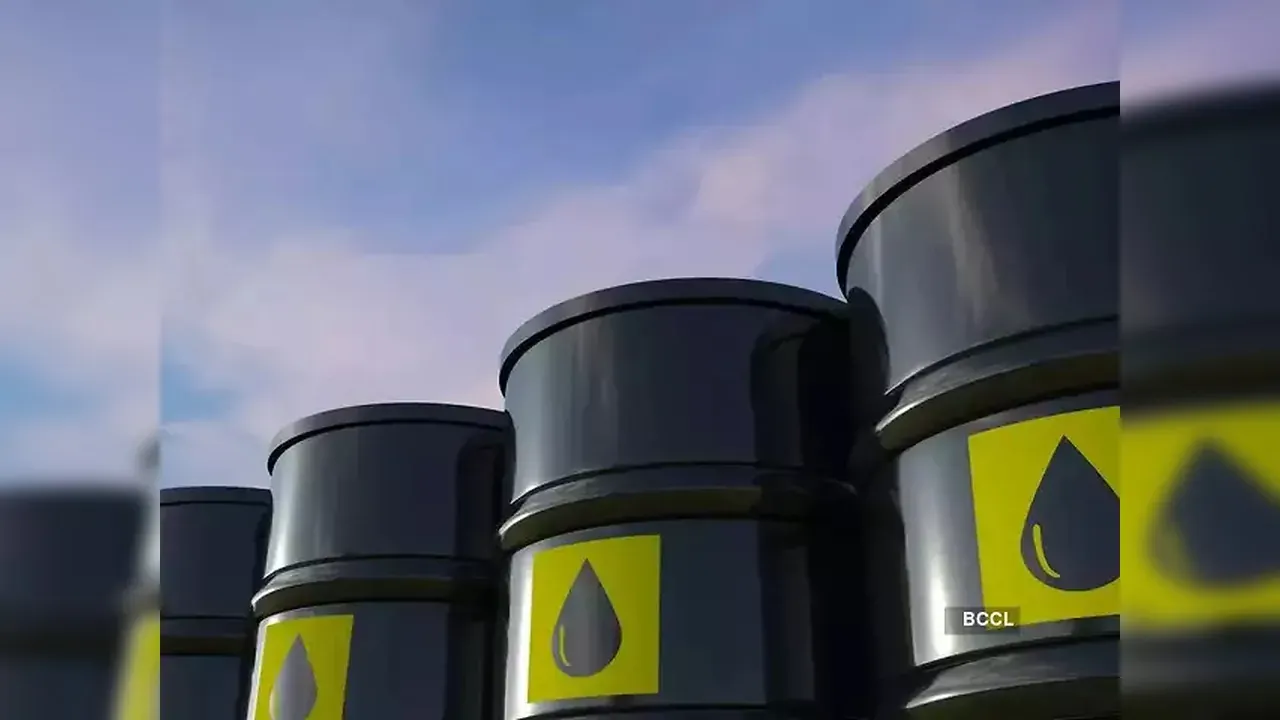
A Goldman Sachs report warns that geopolitical conflicts, supply disruptions, and extreme weather could cause significant volatility in commodity prices through 2027. Brent crude oil prices may reach $140 per barrel in early 2027 if Gulf supply remains constrained, while European natural gas prices could rise sharply amid colder winters and reduced liquefied natural gas exports. The report also notes increased correlations between energy prices and financial markets since the Iran conflict began, with agricultural commodities facing pressures from ongoing geopolitical tensions.

Sentiment
43%
TBN's observations

First-hand measurement across 2 sources

We measured how 2 outlets covered this story. No outlet gave this story a measurable political slant — there is no left–right reading to report. Overall sentiment is neutral (43/100). Lens Score 43/100.

Outlets measured: timesnow, thetribune. See how each one headlined and framed the same story in the source comparison below.

AI analysis of 2 sources · Published under editorial oversight by The Balanced News
Analysed 21 Oct 2026· How this analysis is produced· Editorial standards· Corrections

AI Analysis

Sentiment — Neutral (43/100)

Sentiment was consistent across outlets (38–48/100), indicating broadly factual reporting rather than editorialising.

Coverage timeline

thetribune broke this story on 21 Oct, 05:43 am. Other outlets followed.

21 Oct, 05:43 am2 sources · 45 min21 Oct, 06:29 am
AI analysis by the TBN Bias Engine · beat methodology byMrunal Wange· Business & Economy Editor· editorial standards byOjas Kale
← Previous
Larsen & Toubro Wins Major Construction Contracts for Delhi and Amaravati Projects
Next →
Honda Projects Growth in Two-Wheeler Sales Amid Declining Passenger Vehicle Market Share
1
thetribune21 Oct, 05:43 am
Brent could hit USD 140 in 2027 on Gulf supply risks, extreme weather conditions: Report - The Tribune
  • 2
    timesnow21 Oct, 06:29 am
    Brent Crude Could Hit 140 In 2027 Amid Gulf Supply Risks, Extreme Weather: Report
  • Who's involved

    Institutions and figures named across source coverage.

    Corporate
    Goldman Sachs

    Story context

    Category
    Business
    Location
    New Delhi, India
    Sources analysed
    2
    Last analysed
    21 Oct 2026
    Key entities
    Goldman SachsNatural gasBrent CrudeKilowatt-hourExtreme weatherStrait of HormuzEnergy developmentCommodityVolatility (finance)AgriculturePetroleumRisk premium