India Extends ALMM Exemption for Net Metering and Open Access Solar Projects Till December 2026
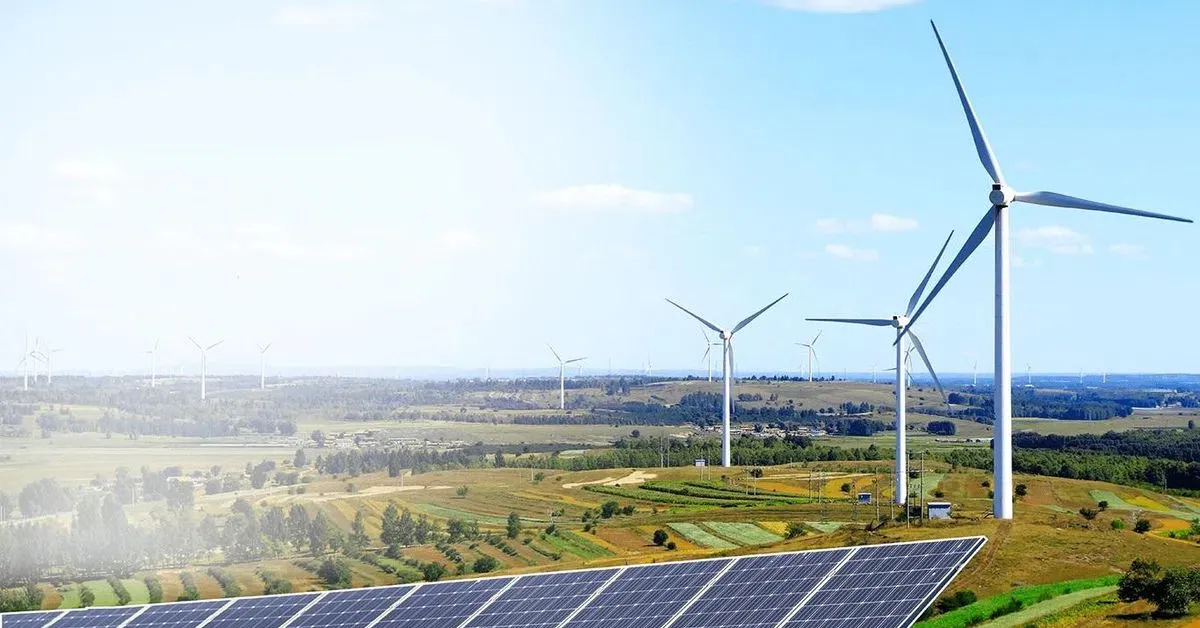
The Indian government has extended the exemption for net metering and open access renewable energy projects from complying with the Approved List of Models and Manufacturers (ALMM) List-II for solar PV cells until December 31, 2026. This extension, previously set to expire on May 31, 2026, applies only to these project segments and does not alter the overall ALMM policy. The move aims to support domestic solar PV module manufacturers by protecting existing inventories and providing time to increase sourcing from ALMM-listed manufacturers, aligning with India's goal of self-reliance in solar manufacturing.
First-hand measurement across 4 sources
We measured how 4 outlets covered this story. Coverage leans balanced overall (Left 10%, Centre 81%, Right 9%). Overall sentiment is positive (69/100). Lens Score 32/100 — low public interest.
Outlets analysed (first-hand measurement by TBN's Bias Engine):
- economictimes— balanced framing, positive sentiment
- economictimes— balanced framing, neutral sentiment
- businessstandard— balanced framing, positive sentiment
- news18— balanced framing, positive sentiment
AI Analysis
The articles primarily present the government's official position on extending the ALMM exemption without evident political framing. Coverage focuses on policy details and industry implications, reflecting a neutral stance. There is no significant representation of opposition views or critical perspectives, indicating a consensus-driven narrative centered on government announcements and renewable energy sector interests.
The overall tone across the articles is neutral to mildly positive, emphasizing the government's support for domestic solar manufacturing and investment protection. The coverage highlights policy continuity and industry benefits without expressing criticism or controversy, resulting in a balanced and informative sentiment focused on policy updates and sectoral development.
How 4 sources covered this story
Each source's own headline, political lean, and sentiment — so you can see framing differences at a glance.