Skip to content
Get the Balanced News app for a better experience!
The Balanced News Logo
Analytics
The Balanced News Logo

Stay Balanced, Stay Informed

Menu
  • Browse News
  • Underreported Stories
  • Curated Feeds
  • Insights
  • Analytics
  • Our Writers
  • About Us
  • Download App
Learn
  • How It Works
  • Bias Detection
  • Lens Score
  • Source Bias Checker
  • Accountability
  • Custom Feeds
Newsroom
  • Writers & Analysts
  • About TBN
  • Editorial Standards
  • Corrections Policy
  • Our Partners
  • Insights
Socials
  • Youtube
  • Instagram
  • X
  • Facebook
News Categories
  • Trending
  • Politics
  • Sports
  • Business
  • Tech
  • Entertainment
  • Health
  • Science
  • Crime
  • Lifestyle
  • National
  • International
  • Good News
  • Crypto

Get Our App

Available for iOS and Android


LensFeedsInsightsAnalyticsTrendingGood NewsSportsPoliticsBusinessCrimeTechEntertainmentHealthNationalInternational

© 2026 The Balanced News. All rights reserved.

About UsEditorial StandardsCorrectionsHelp & SupportPrivacy PolicyTerms & Conditions
IN-SPACe Issues Guidelines for Planned Re-entry of Space Objects in India
Categories

Categories

Related Coverage

Select a news story to see related coverage from other media outlets.

Related Coverage

Select a news story to see related coverage from other media outlets.

  1. Home
  2. /
  3. Business

IN-SPACe Issues Guidelines for Planned Re-entry of Space Objects in India

Analysed 3 Aug 2026·2 sources analysed·India·Business
IN-SPACe Issues Guidelines for Planned Re-entry of Space Objects in IndiaPreviousNext

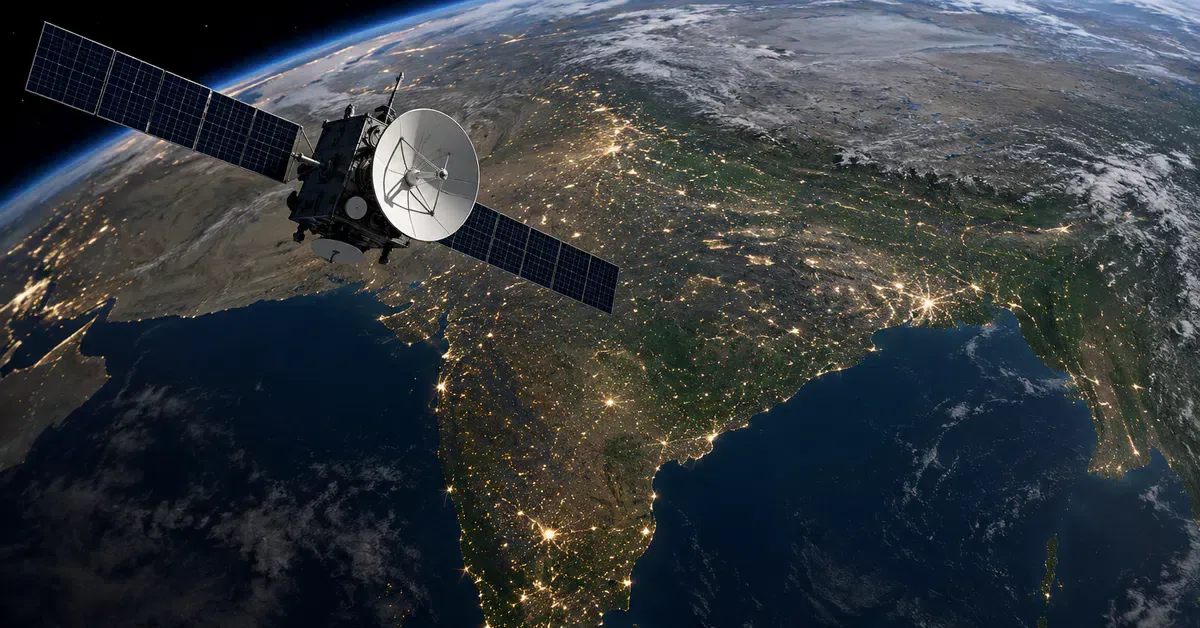
India's National Space Promotion and Authorisation Centre (IN-SPACe) issued new guidelines on July 23 for planned re-entry missions of space objects, including reusable launch vehicles and satellites. These rules establish a regulatory framework covering authorisation, safety, liability, and environmental risks for controlled returns to Earth. The guidelines highlight India's growing private space sector, following Skyroot Aerospace's recent orbital rocket launch, and have raised concerns about the country's limited capacity to insure commercial space risks, prompting calls for specialised insurance products.

Sentiment
52%
TBN's observations

First-hand measurement across 2 sources

We measured how 2 outlets covered this story. No outlet gave this story a measurable political slant — there is no left–right reading to report. Overall sentiment is neutral (52/100). Lens Score 37/100.

Outlets measured: businessstandard, economictimes. See how each one headlined and framed the same story in the source comparison below.

AI analysis of 2 sources · Published under editorial oversight by The Balanced News
Analysed 3 Aug 2026· How this analysis is produced· Editorial standards· Corrections

AI Analysis

Sentiment — Neutral (52/100)

Sentiment was consistent across outlets (50–55/100), indicating broadly factual reporting rather than editorialising.

Coverage timeline

economictimes broke this story on 3 Aug, 12:37 am. Other outlets followed.

3 Aug, 12:37 am2 sources · 9 h3 Aug, 09:42 am
  1. 1
AI analysis by the TBN Bias Engine · beat methodology byMrunal Wange· Business & Economy Editor· editorial standards byOjas Kale
← Previous
Narayana Hrudayalaya and Jupiter Life Line Report Q1 Revenue Growth Amid Margin Pressures
Next →
Ace Software Reports Q1 FY2026-27 Earnings Growth and Profitability Increase
economictimes3 Aug, 12:37 am
IN-SPACe re-entry rules expose insurance crunch
  • 2
    businessstandard3 Aug, 09:42 am
    Explained: India's new guidelines for planned re-entry of space objects
  • Who's involved

    Institutions and figures named across source coverage.

    Government
    Indian National Space Promotion and Authorisation Centre

    Story context

    Category
    Business
    Location
    India
    Sources analysed
    2
    Last analysed
    3 Aug 2026
    Key entities
    Atmospheric entryIndian National Space Promotion and Authorisation CentreSatelliteEarthReusable launch vehicleSpacecraftIndiaLaunch vehicleOrbitPrivate sectorSkyroot AerospaceChina