Government Raises Onion Procurement Price by 13% to Rs 2,125 Quintal Amid Slow Buffer Stock Purchases
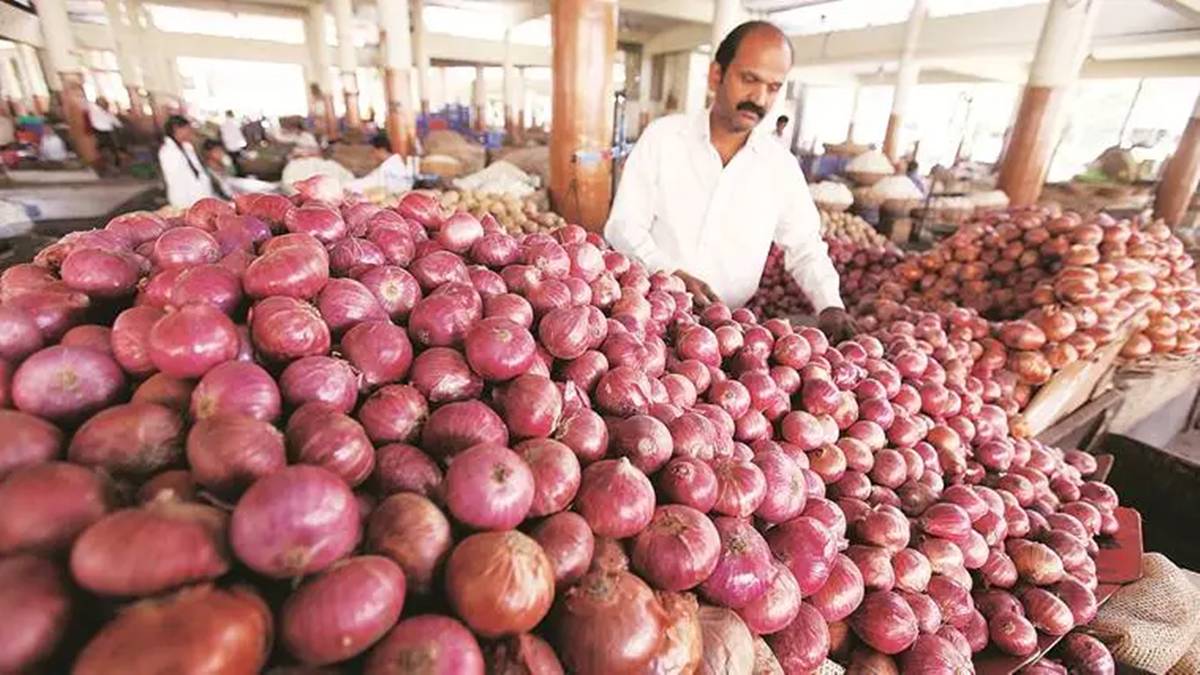
The Indian government has raised the onion procurement price by 13% to Rs 2,125 per quintal, effective July 4, 2026, marking the fifth increase this season to encourage buffer stock purchases and improve farmer returns. Despite stable production estimates around 30.7 million tonnes for 2025-26 and adequate stocks in key states, procurement has been slow, with only about 2,000-5,000 tonnes procured so far. Market arrivals remain robust, and retail prices have risen amid delayed monsoon and speculative buying, while exports continue at a normal pace.
First-hand measurement across 12 sources
We measured how 12 outlets covered this story. Coverage leans balanced overall (Left 8%, Centre 87%, Right 5%). Overall sentiment is neutral (59/100). Lens Score 36/100 — moderate-to-low public interest.
Outlets analysed (first-hand measurement by TBN's Bias Engine):
- hindustantimes— balanced framing, neutral sentiment
- hindustantimes— balanced framing, neutral sentiment
- thetribune— balanced framing, neutral sentiment
- thehindu— balanced framing, neutral sentiment
- thestatesman— balanced framing, neutral sentiment
- swarajyamag— balanced framing, neutral sentiment
- freepressjournal— balanced framing, neutral sentiment
- thetribune— balanced framing, neutral sentiment
AI Analysis
The articles predominantly present the government's perspective on procurement price hikes and buffer stock efforts, emphasizing stable production and adequate supplies. Some sources include farmer concerns about returns and market dynamics, while others note speculative trading and export competition. Overall, coverage reflects official statements and market observations without partisan framing, representing government, farmer, and market viewpoints.
The overall tone across the articles is neutral to mildly positive, focusing on government measures to support farmers through price increases and buffer stock procurement. While acknowledging slow procurement and market challenges like delayed monsoon and speculative buying, the coverage highlights stable production and adequate supplies, avoiding alarmist or overly optimistic language.