How Investors Use Stock Sector Analysis to Identify Long-Term Growth Opportunities
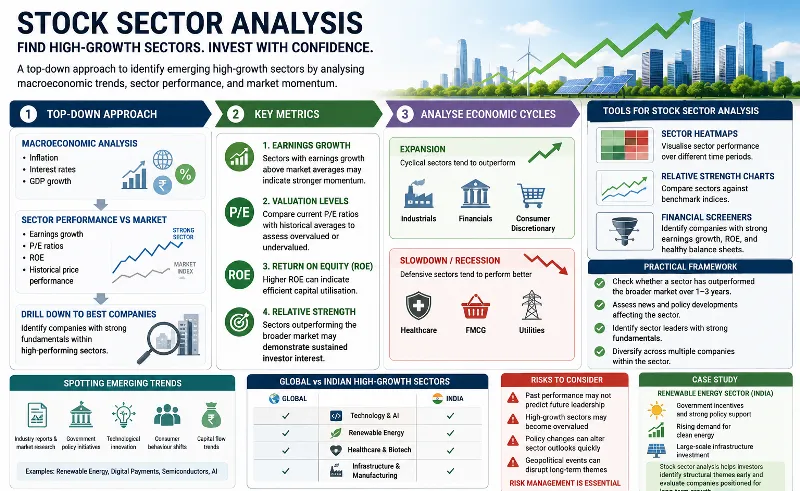
Stock sector analysis helps investors identify industries with strong long-term growth potential by evaluating macroeconomic factors like GDP growth, interest rates, and inflation, alongside regulatory, political, demographic, and technological trends. Using a top-down approach, investors assess sector performance through metrics such as earnings growth and valuation to allocate capital efficiently. This method emphasizes understanding sector-wide structural opportunities and risks, recognizing that even strong companies may underperform if their sectors face challenges.
First-hand measurement across 2 sources
We measured how 2 outlets covered this story. Coverage leans balanced overall (Left 0%, Centre 100%, Right 0%). Overall sentiment is positive (70/100). Lens Score 22/100 — low public interest.
Outlets analysed (first-hand measurement by TBN's Bias Engine):
- northeastnow— balanced framing, positive sentiment
- northeastnow— balanced framing, positive sentiment
AI Analysis
The articles present a neutral, finance-focused perspective emphasizing economic and regulatory factors influencing stock sectors. They include viewpoints on government policies and market conditions without partisan framing, focusing on investment strategies rather than political debate. The coverage reflects mainstream financial analysis without promoting specific political ideologies or agendas.
The tone across the articles is informative and neutral, aiming to educate readers on stock sector analysis techniques. There is no evident positive or negative sentiment toward any sector or policy; instead, the content maintains an objective stance, highlighting both opportunities and risks in investment decisions.
How 2 sources covered this story
Each source's own headline, political lean, and sentiment — so you can see framing differences at a glance.