Canada and India Express Optimism on Progress in Free Trade Agreement Talks
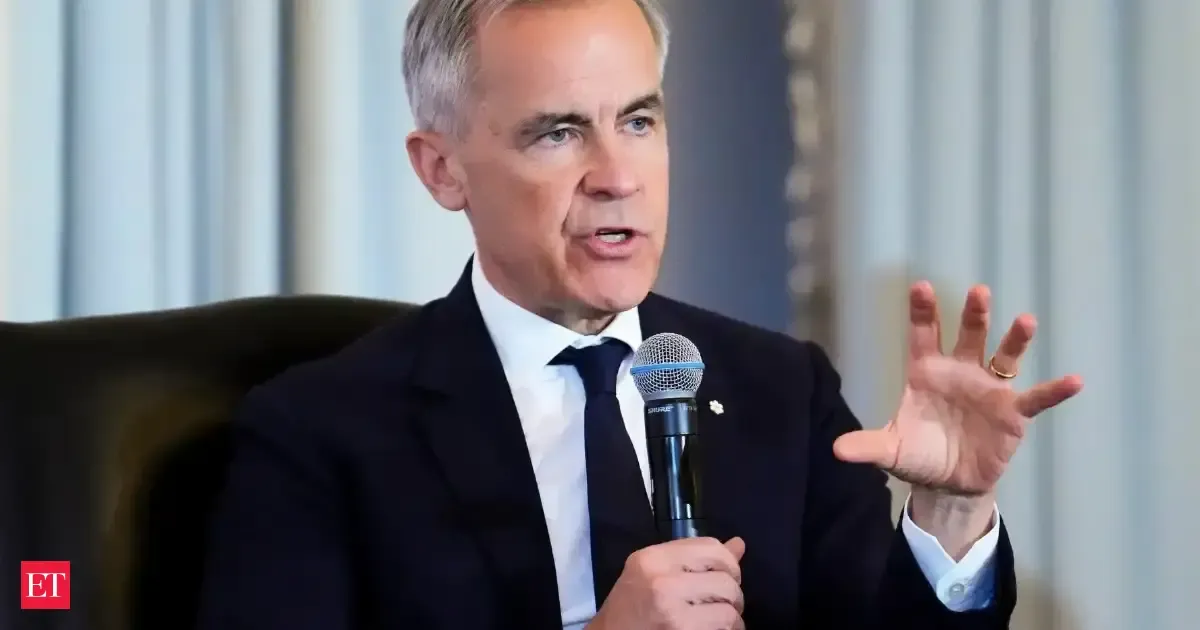
Canadian and Indian officials expressed optimism about ongoing negotiations for a Comprehensive Economic Partnership Agreement (CEPA) during the Western Canada-India Leaders Summit in Regina. After a pause in talks in 2023 linked to diplomatic tensions, both sides aim to conclude the free trade deal this year and significantly boost bilateral trade from around USD 17 billion to USD 50 billion by 2030. Discussions also covered agricultural exports and expanding economic ties, with officials emphasizing renewed engagement and confidence in reaching an agreement.
First-hand measurement across 5 sources
We measured how 5 outlets covered this story. Coverage leans balanced overall (Left 10%, Centre 83%, Right 7%). Overall sentiment is positive (75/100). Lens Score 33/100 — low public interest.
Outlets analysed (first-hand measurement by TBN's Bias Engine):
- economictimes— balanced framing, positive sentiment
- economictimes— balanced framing, positive sentiment
- economictimes— balanced framing, positive sentiment
- businessstandard— balanced framing, positive sentiment
- news18— balanced framing, positive sentiment
AI Analysis
The article group presents perspectives primarily from official government representatives of Canada and India, emphasizing diplomatic and economic cooperation. It includes references to past tensions without assigning blame, reflecting a balanced approach. The coverage focuses on trade negotiations and official statements, avoiding partisan framing or critique, thus representing a neutral political viewpoint centered on bilateral relations.
The overall tone across the articles is cautiously positive, highlighting optimism and confidence from officials about advancing trade talks. While acknowledging previous diplomatic challenges, the sentiment remains forward-looking and constructive, emphasizing renewed engagement and potential economic benefits without sensationalism or negativity.
How 5 sources covered this story
Each source's own headline, political lean, and sentiment — so you can see framing differences at a glance.