World Bank Approves $890 Million to Support India’s Rooftop Solar Programme
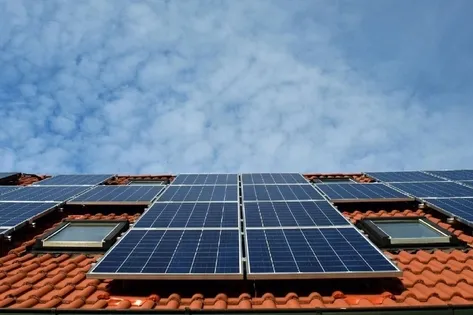
The World Bank has approved a USD 890 million financing package to support India’s national rooftop solar programme, PM Surya Ghar: Muft Bijli Yojana, aiming to install solar rooftops on 10 million rural and urban households. The funding includes loans and grants from various World Bank funds and will mobilise an additional USD 4.2 billion in private commercial loans. The initiative seeks to expand residential solar adoption, reduce household electricity costs, promote local manufacturing, and create 1.7 million jobs, supporting India’s net-zero goal by 2070 and increasing non-fossil energy to 60% by 2035.
First-hand measurement across 5 sources
We measured how 5 outlets covered this story. Coverage leans balanced overall (Left 9%, Centre 85%, Right 6%). Overall sentiment is positive (75/100). Lens Score 27/100 — low public interest.
Outlets analysed (first-hand measurement by TBN's Bias Engine):
- economictimes— balanced framing, positive sentiment
- zeenews— balanced framing, positive sentiment
- businessstandard— balanced framing, positive sentiment
- swarajyamag— balanced framing, positive sentiment
- news18— balanced framing, positive sentiment
AI Analysis
The articles predominantly present the World Bank’s financing decision and India’s renewable energy goals without partisan framing. They include official statements from the World Bank and Indian government initiatives, reflecting a development-focused perspective. There is no evident political controversy or opposition viewpoint, with coverage centered on policy support and economic benefits.
The overall tone across the articles is positive and optimistic, highlighting the potential for clean energy expansion, job creation, and cost savings. The coverage emphasizes progress and support for India’s climate commitments, with no critical or negative sentiment apparent. The language is factual and supportive of the programme’s objectives.
How 5 sources covered this story
Each source's own headline, political lean, and sentiment — so you can see framing differences at a glance.