1 hour agoBusiness
28LENS
2 SourcesIran
 thebalanced.news
Global Fuel Prices Rise Amid Iran Conflict and Supply Concerns
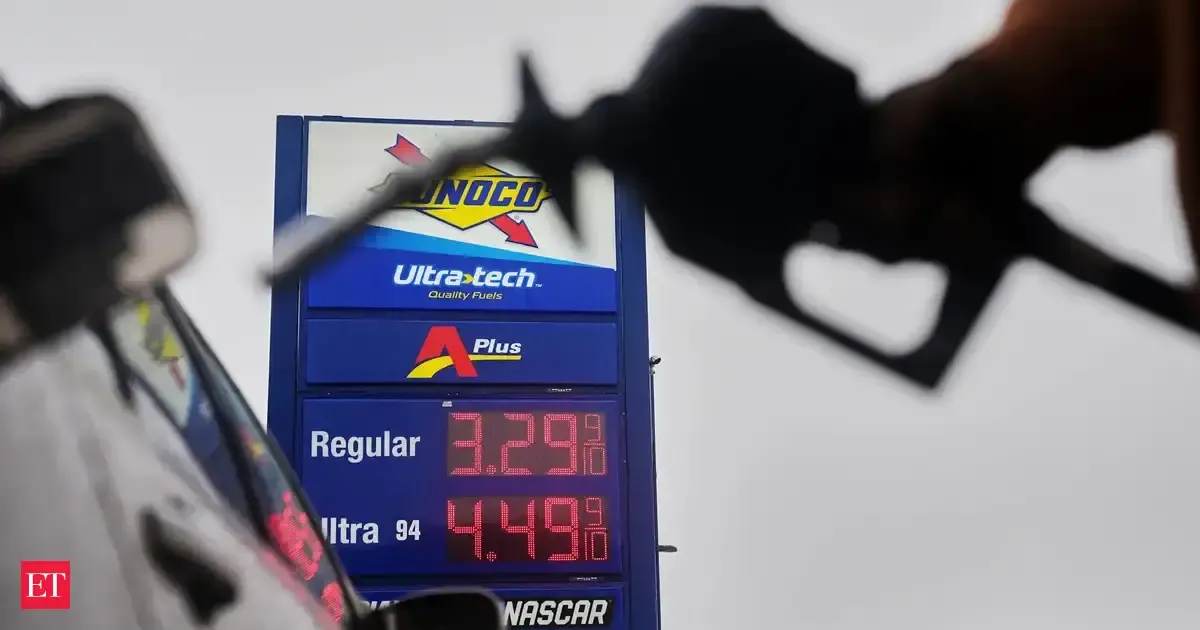
Since the escalation of conflict involving Iran, global petrol prices have risen sharply due to concerns over oil supply disruptions, particularly around the Strait of Hormuz. In the U.S., gas prices surged nearly a dollar per gallon within a month, marking one of the largest increases in decades and disproportionately affecting lower-income households. Worldwide, countries reliant on fuel imports have experienced varying degrees of price hikes driven by market uncertainty, even without confirmed supply shortages.
Political Bias
0%100%0%
Sentiment
38%
21 stories available
View AI Analysis
Bias Analysis: The articles present a largely factual account focusing on economic impacts of the Iran conflict on fuel prices without partisan framing. They include perspectives on market reactions, geopolitical tensions, and consumer effects, reflecting both U.S. and international viewpoints. The coverage avoids assigning blame or endorsing political positions, emphasizing supply disruptions and market uncertainty as key factors.
Sentiment: The overall tone is neutral to slightly concerned, highlighting the economic burden on consumers, especially lower-income groups, without sensationalizing the conflict. The articles convey the seriousness of price increases and their widespread impact while maintaining an informative and measured approach, balancing factual reporting with acknowledgment of market anxieties.
Lens Score: 28/100 — Story is well-covered by media outlets. Public interest: 0/100. Coverage gap: 100%.
Related Coverage
Select a news story to see related coverage from other media outlets.