Zara India Sees Profit Decline Amid Competition; Trent Reports Overall Growth
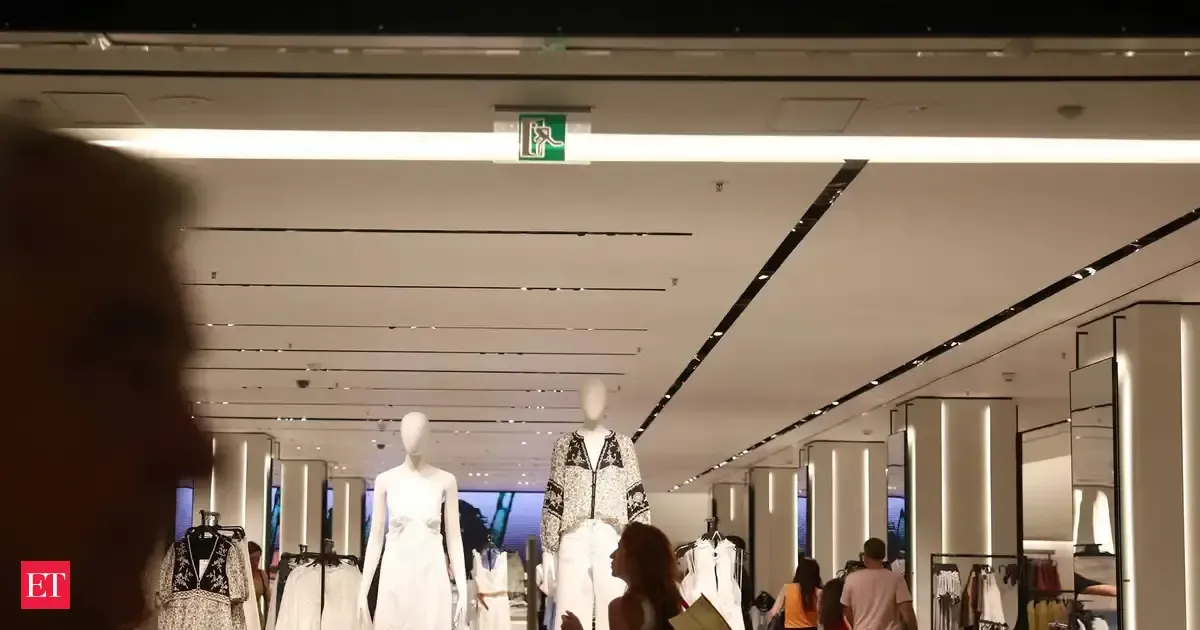
Zara's India operations, managed by the Inditex-Trent joint venture, reported a 1.1-1.2% revenue decline and a nearly 32% profit drop to Rs 204 crore in FY26, marking its weakest performance since the pandemic amid rising competition. Trent, holding a 20% stake, reduced its share via a buyback. Meanwhile, Trent's overall revenue grew 18.2% to Rs 19,701 crore, driven by its own brands like Zudio. Chairman Noel Tata emphasized growth through brand diversification, AI investments, and international expansion.
First-hand measurement across 6 sources
We measured how 6 outlets covered this story. Coverage leans balanced overall (Left 0%, Centre 100%, Right 0%). Overall sentiment is neutral (54/100). Lens Score 35/100 — moderate-to-low public interest.
Outlets analysed (first-hand measurement by TBN's Bias Engine):
- economictimes— balanced framing, positive sentiment
- businessstandard— balanced framing, positive sentiment
- economictimes— balanced framing, neutral sentiment
- economictimes— balanced framing, neutral sentiment
- news18— balanced framing, neutral sentiment
- economictimes— balanced framing, neutral sentiment
AI Analysis
The article group presents a business-focused perspective without explicit political framing. Coverage includes corporate statements from Trent's leadership and financial data, reflecting both challenges faced by Zara India and Trent's broader growth ambitions. The sources emphasize market competition and strategic responses, representing corporate and investor viewpoints without partisan bias.
The overall tone is mixed, combining negative aspects such as Zara India's profit and revenue decline with positive elements like Trent's strong revenue growth and optimistic future plans. The coverage balances challenges in the apparel segment with confidence expressed by company leadership, resulting in a nuanced sentiment reflecting both caution and optimism.
How 6 sources covered this story
Each source's own headline, political lean, and sentiment — so you can see framing differences at a glance.