India's Power Sector to Expand Capacity with Focus on Transmission and Energy Storage
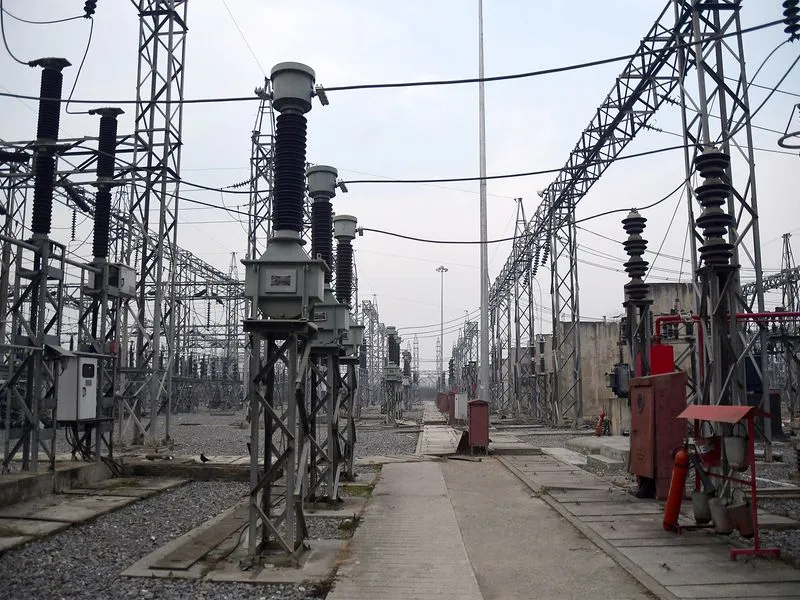
India's power sector is undergoing a comprehensive transformation with installed capacity projected to rise from 538GW to 900GW by FY32. This growth will rely on a dual approach: coal maintaining baseload stability and renewables driving new capacity. Critical to this transition is deploying 74GW of energy storage by 2032 to manage intermittency and peak demand. Transmission infrastructure investment of US$51 billion is needed to support this expansion, addressing challenges like longer transmission development timelines and rising demand from industries, cooling, data centers, and electrified transport.
First-hand measurement across 2 sources
We measured how 2 outlets covered this story. Coverage leans balanced overall (Left 10%, Centre 85%, Right 5%). Overall sentiment is positive (75/100). Lens Score 29/100 — low public interest.
Outlets analysed (first-hand measurement by TBN's Bias Engine):
- economictimes— balanced framing, positive sentiment
- thetribune— balanced framing, positive sentiment
AI Analysis
The articles present a largely technical and economic perspective on India's power sector transformation, focusing on infrastructure and capacity growth without evident political framing. They include projections from government agencies and international organizations, reflecting a consensus on growth drivers and challenges. No partisan viewpoints or political controversies are highlighted, maintaining a neutral stance centered on industry and policy developments.
The overall tone across the articles is neutral to positive, emphasizing growth opportunities and necessary investments in India's power sector. While challenges such as transmission delays and demand management are noted, the coverage highlights progress and strategic planning, conveying an optimistic outlook on the sector's future without undue criticism or alarm.