BIS Warns of Inflation, Debt, and AI-Related Financial Risks Amid Global Economic Uncertainties
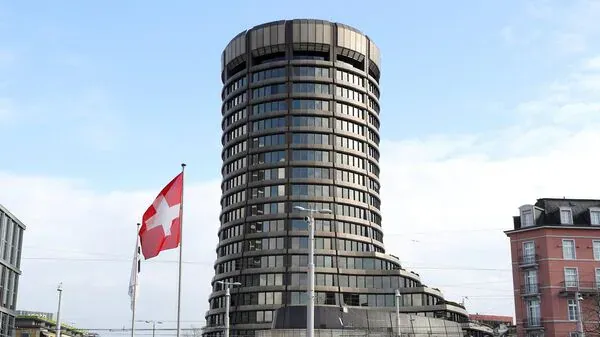
The Bank for International Settlements (BIS) highlights rising global economic risks from persistent inflation, high public debt, financial market vulnerabilities, and uncertainties linked to the rapid growth of artificial intelligence (AI) investments. The BIS warns that frequent supply shocks and overinvestment in AI could entrench inflation expectations and create financial instability. It urges disciplined fiscal and monetary policies, stronger oversight, and enhanced international cooperation, especially on cybersecurity, to maintain economic and financial stability amid these challenges.
First-hand measurement across 4 sources
We measured how 4 outlets covered this story. Coverage leans balanced overall (Left 2%, Centre 97%, Right 1%). Overall sentiment is neutral (45/100). Lens Score 25/100 — low public interest.
Outlets analysed (first-hand measurement by TBN's Bias Engine):
- economictimes— balanced framing, neutral sentiment
- thefinancialexpress— balanced framing, neutral sentiment
- businessstandard— balanced framing, neutral sentiment
- mint— balanced framing, neutral sentiment
AI Analysis
The article group presents a technocratic and policy-focused perspective centered on the Bank for International Settlements' analysis. It reflects viewpoints emphasizing the need for disciplined fiscal and monetary policies without partisan framing. The coverage includes official statements from BIS officials and highlights concerns relevant to governments, central banks, and financial regulators, maintaining a neutral stance on political ideologies.
The overall tone across the articles is cautionary and analytical, emphasizing risks and vulnerabilities without alarmism. While acknowledging economic resilience, the coverage stresses the urgency for policy action to prevent potential instability. The sentiment is balanced, combining concern over challenges with calls for measured, coordinated responses to safeguard financial and economic stability.